
Should You Charge for Customer Support? Dealing with 'Free' Advice Overload
Many businesses struggle with giving free support. Questions arrive by email or phone. They require hours of your team's time. This hits profitability. You might wonder if there's a way to monetize support. Let's discuss strategies like knowledge base creation. We'll cover paid support tiers. We'll look at premium maintenance plans. And we'll look at clear upfront expectations.
Some owners hesitate to charge for help. They want to be customer-focused. But they also worry about sustainability. That tension is real. One common approach is to provide basic instructions for free. But reserve deeper support for paid plans. Charging for extended support might offset those expenses.
This first chart outlines how you might separate free help from advanced paid support. You can point customers to a knowledge base or user documentation for straightforward issues. When problems get complex, you present a paid plan. That helps offset the time your tech team invests in phone or video calls.
Using a Knowledge Base
A knowledge base is cost-effective. Document common solutions and step-by-step guides. Users with simpler questions can self-solve. This frees you to focus on more urgent tasks. A well-structured one keeps your support queue manageable. It also enhances user satisfaction. People can find answers fast. Frequent audits help maintain accuracy.

This second chart illustrates a self-service approach. Customers first visit the knowledge base, possibly resolving issues without contacting you. If that fails, they escalate to your team. That workflow can drastically reduce repetitive tasks.
Establishing Paid Support Packages
Paid support plans can cover phone consultations, training, or maintenance. Setting up a fee-based approach offsets those costs and improves service quality. Customers who invest in a subscription often value your time more. They also appreciate thorough assistance, including faster responses or specialized solutions.

This chart shows how you might introduce a paid plan. You define premium features, handle payment, then allocate your staff so. Clear communication is important. Customers must see the value. They should understand why advanced support costs money. This can prevent confusion or frustration.
Maintaining Compliance and Security
Providing paid support often means deeper involvement with your customer's data.
Limit who can view or handle sensitive info. Implement role-based access. Keep these policies clear in your service-level agreement. Customers paying for premium help might provide more detail, so your system must protect that data carefully.

Regular audits confirm you're following the rules. This fosters trust and reduces liability.
Set Expectations Upfront
Defining support boundaries early is important. Let customers know what's free and what isn't. If you offer free guidance, specify the scope. Mention that if problems go beyond that scope, a paid arrangement may be necessary. This direct approach builds transparency. You avoid feeling taken advantage of, and customers don't feel blindsided by fees.
Written policies, service agreements, and website disclaimers help. They don't have to be complicated. Outline rates and response times for each support tier. Make sure staff is trained to communicate these details consistently. That fosters a culture of fairness and clarity.
In sum, many small businesses struggle with free support overload. It can damage productivity. A blended model of free self-service and paid advanced support helps. Knowledge bases reduce routine tickets. Paid plans and maintenance packages offset resource usage. Set expectations clearly. This keeps support fair for everyone and sustains your business.
Related Articles
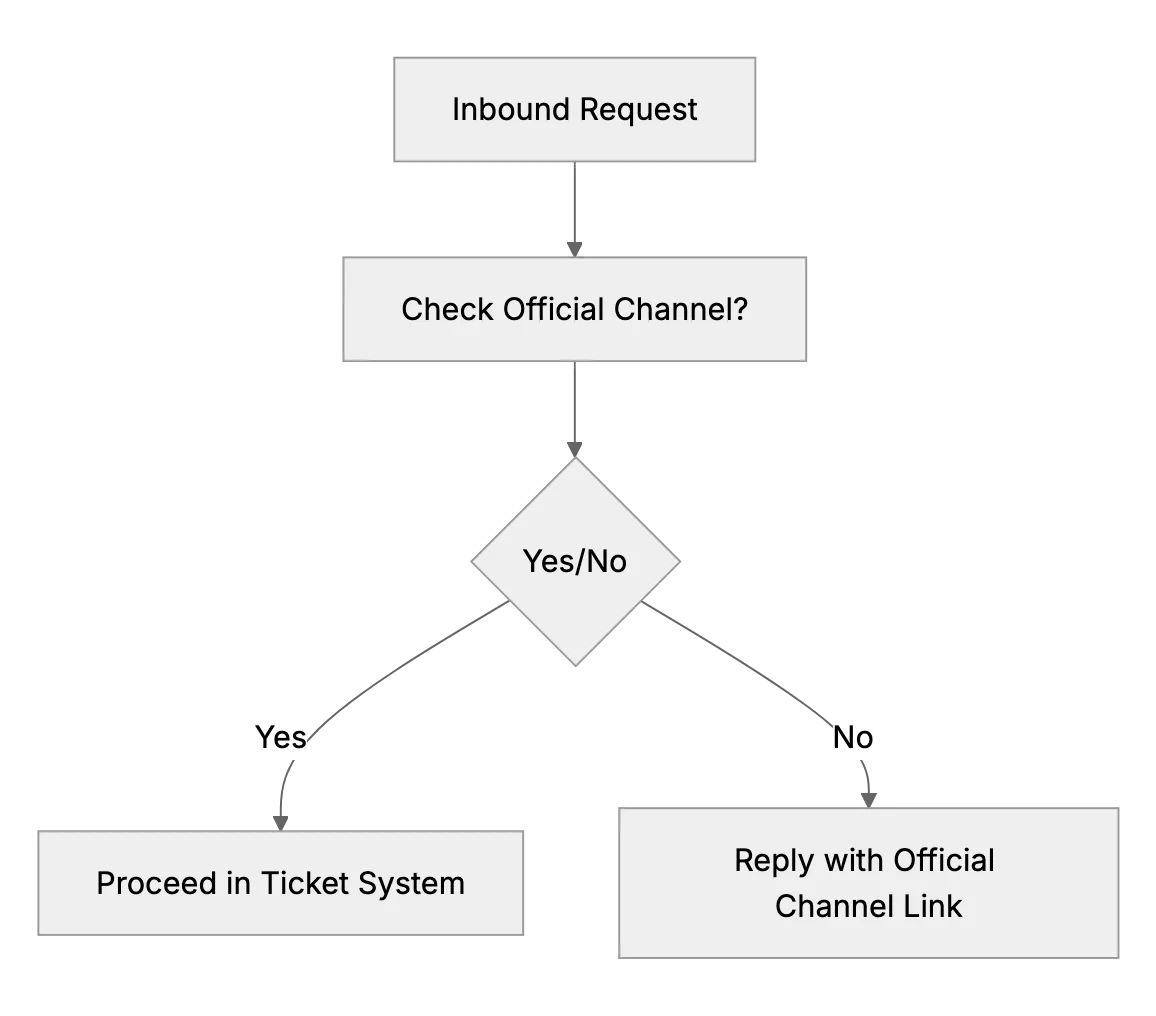
What to Do if Customers Contact You Outside Official Channels
When customers DM or text your personal accounts, reply kindly and point them to your official email or support desk so every request is tracked.

Should Small Support Teams Upsell or Just Solve Issues? (Finding the Balance)
Small business owners often wonder if their support exchanges should also be used for sales opportunities, like cross-selling or upselling. This article explores customer experience vs. revenue for small teams.
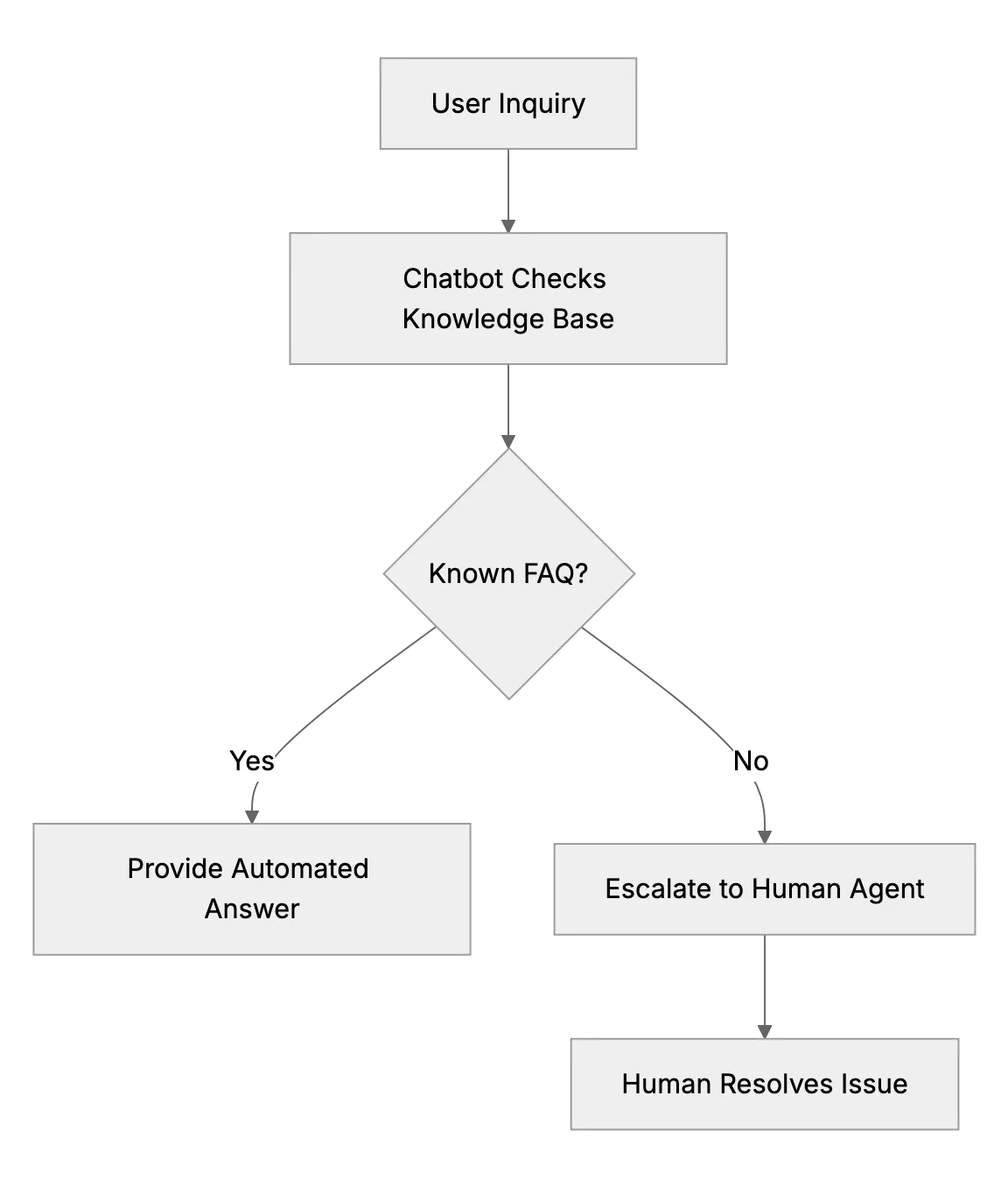
Deploying a Chatbot for Tier-1 Questions So Your Team Handles Only Complex Issues
Train a chatbot on your FAQ to answer order status and password questions, learn from its failed chats, and hand hard cases to a person with context.