Turning a Bad Customer Experience Around: How to Make Things Right
If you're a small business owner then you've probably made mistakes. This article discusses how to apologize and recover from a bad customer experience. It covers sincere apologizing, offering a quick fix or compensation (refund, replacement, bonus), and the importance of follow-up. Even if you slip up, a well-handled complaint can create an even more loyal customer.
Face the Error Head-On
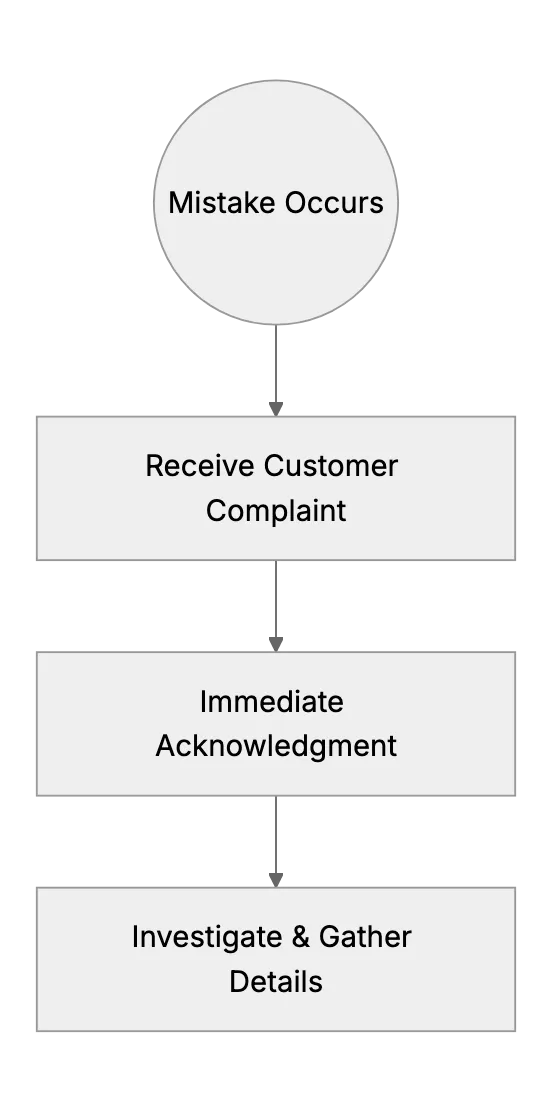
Hiding from a frustrated customer only amplifies negative emotions. Acknowledge the problem. Send a prompt message: you’re sorry, you’re investigating, you’re here to help. Take ownership as soon as you can, even if you don’t have all the details yet.
Offer a Sincere Apology
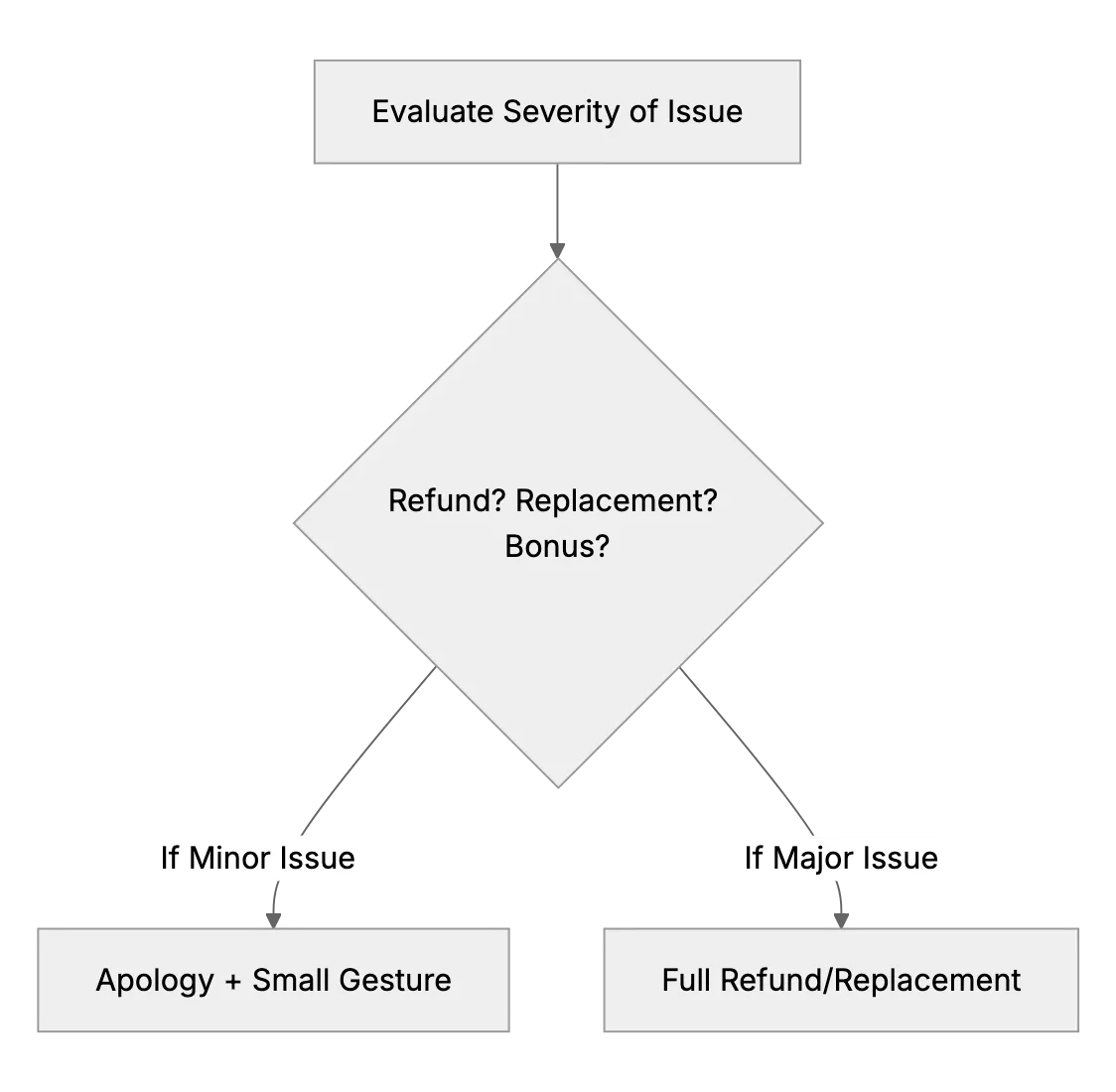
A generic "sorry" doesn’t cut it. You want to use genuine language and address the specifics of what went wrong. Show empathy for their inconvenience or frustration. When customers see you care, it eases tension and sets the stage for a positive resolution.
Decide on the Right Compensation
Sometimes a simple apology is enough. Other times, you might offer a partial or full refund. If the product is damaged, offer a replacement. As a bonus, add something small to exceed expectations, like a discount code or free upgrade. Think about the cost of losing that customer’s future business compared to a quick fix now.
Leverage a Secure Customer Support Desk
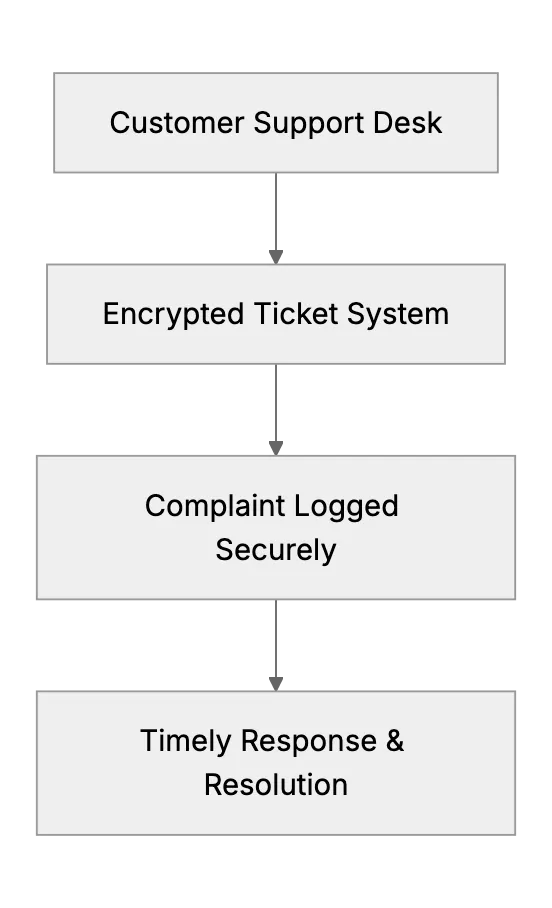
Managing complaints manually can be risky. Details get lost, responses might be slow, and customers feel ignored.
Follow Up After Resolution
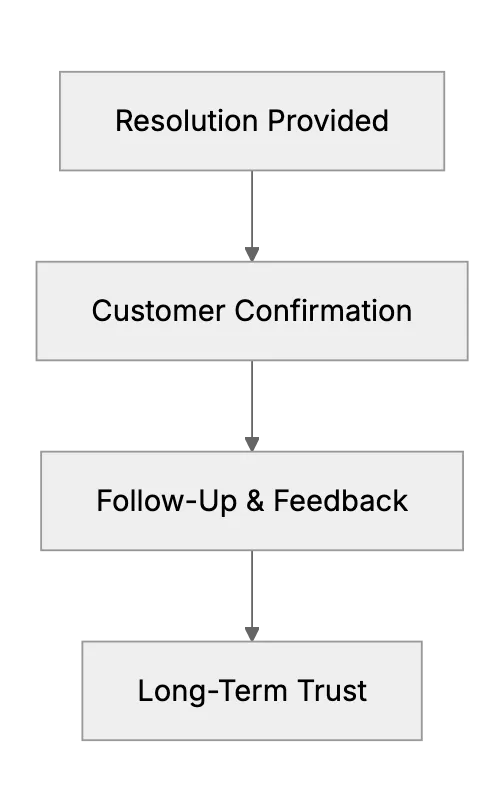
Many businesses fix the problem and move on. But a personal follow-up shows genuine care. Ask if everything’s good now. Ask if there’s anything else you can do. This small step often transforms an unhappy customer into a loyal supporter.
Turn the Slip Into Loyalty
A well-managed complaint can actually deepen the customer’s trust. You showed integrity. You fixed the problem. You followed up. They see how you handle adversity. Small business owners might dread these moments, but over time they become opportunities for growth.
Key Takeaways
- Own the mistake and respond quickly.
- Apologize sincerely and with empathy.
- Offer suitable compensation that matches the severity of the issue.
- Follow up to confirm satisfaction.
- Strengthen loyalty by turning a negative moment into a positive end.
Related Articles
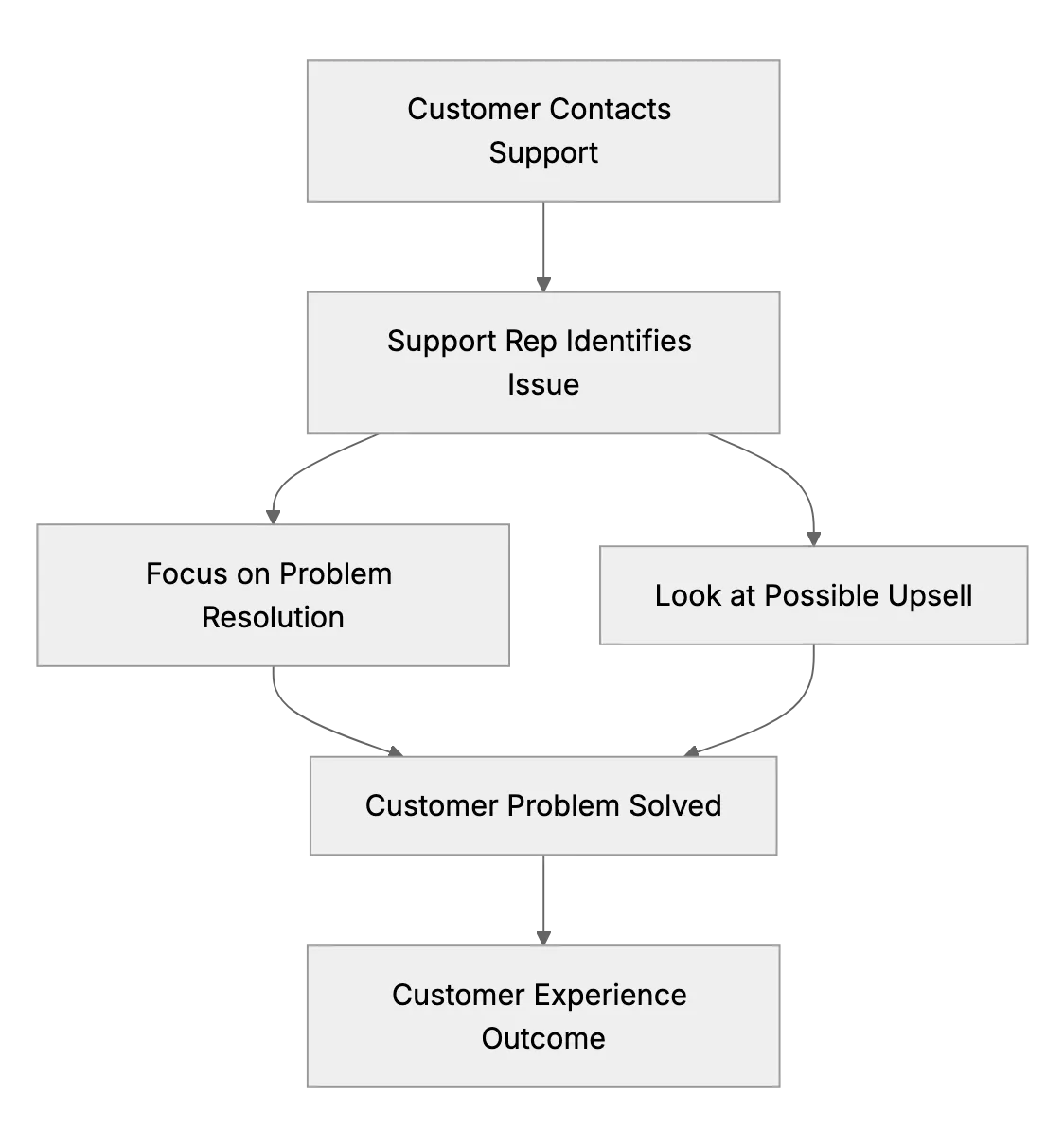
Should Small Support Teams Upsell or Just Solve Issues? (Finding the Balance)
Small business owners often wonder if their support exchanges should also be used for sales opportunities, like cross-selling or upselling. This article explores customer experience vs. revenue for small teams.
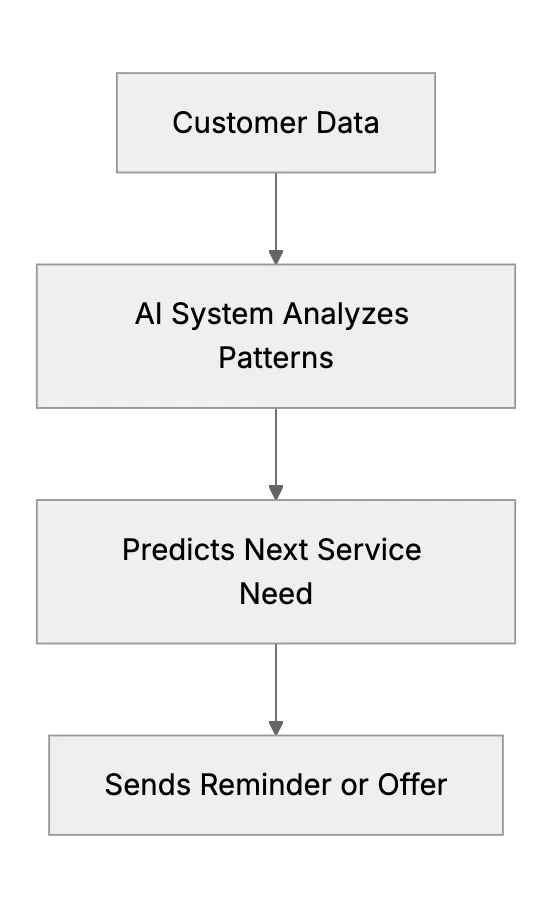
Predictive Customer Needs
How AI Predicts Customer Needs and Enables Proactive Service
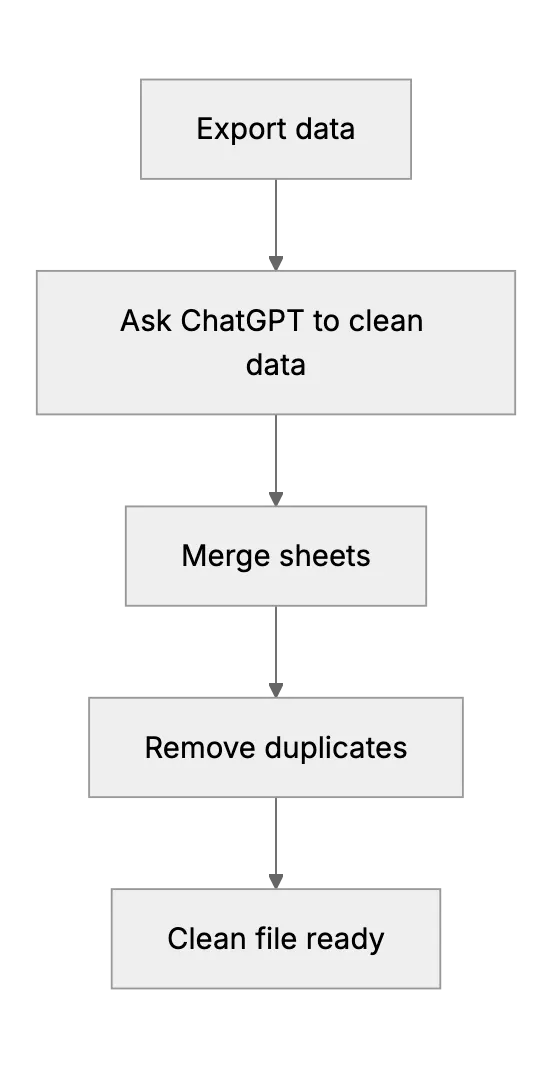
Boost Marketing with ChatGPT: Spreadsheet Cleanup and Customer Segmentation
How small firms can clean mailing lists and sharpen targeting with ChatGPT and spreadsheets