
Training Your Team for Great Customer Service (When You're Not an Enterprise)
Small businesses can deliver amazing customer service without elaborate budgets. A few easy tactics can help. Role-playing, simple resource guides, and real-world examples go a long way. This article offers a plan for small support teams. Let's look at how to create a culture of service. We'll also see why it's worth taking time to coach, even if you're a lean operation.
Why Small Teams Need Training
Some business owners think they don't need formal training because they only have a handful of employees. But that's not true. Customers expect good service from all businesses. If employees don't know how to respond to issues, your reputation suffers. Meanwhile, training ensures employees handle customer exchanges well.
That's the big challenge. Without consistency, your small team might feel confused. Customers might not trust your service. It's better to standardize a few simple methods.
Role-Playing Customer Scenarios
Role-playing is a quick exercise. You set up common situations customers face: a late delivery, a product concern, an account question, or a privacy query. Then employees take turns acting as the customer and the support agent. This helps them learn correct language and tone. It also reduces fear when they handle real exchanges later.
Pick three or four scenarios. Write them on index cards. Hand them to employees randomly. Encourage them to speak up and practice polite, empathetic communication. After each role-play, share feedback. Adjust if something feels off. This doesn't cost much time or money, but it builds confidence.

Creating a Quick Guide
A "customer service quick guide" is another smart tactic. It's a concise document. It might be one page or a simple set of bullet points. Outline company policies, best practices for greetings, empathy statements, and recommended phrases. Also add reminders about confidentiality rules if you handle sensitive info. Keep it short so employees can reference it fast.
Include the do's and don'ts of communication. For example, never promise something you can't deliver. Always verify if a question requires escalation. With a quick guide, everyone knows the standard approach.

Sharing Examples of Excellent Service
Examples spark inspiration. You can find these examples inside your own organization or from outside sources. Observe a team member who solved a tough customer request gracefully. Congratulate them publicly. Store the details so others can learn. Also look at well-known brands with great service. Keep a few stories on hand to illustrate what good service looks like. In a small team, stories resonate more than large corporate manuals. Everyone can relate and apply those lessons right away.

Coaching Employees Over Time
Ongoing coaching ensures continuous improvement. Simple check-ins help. After a tricky customer interaction, debrief quickly. Ask: What went well? What could be better? Then give constructive tips. This is helpful if employees are also family members or close friends. Keep it professional but relaxed. Over time, they'll feel more confident. Customers will appreciate consistent service, even from a small operation.
Why the Effort Pays Off
Investing in training builds customer trust. It keeps your brand strong. It reduces errors or misunderstandings that waste time. And it unifies your team. Even if you're not an enterprise, you can still offer quality. That can differentiate you from bigger competitors who might treat customers like numbers. Training sets you apart as a small but reliable partner.
Related Articles
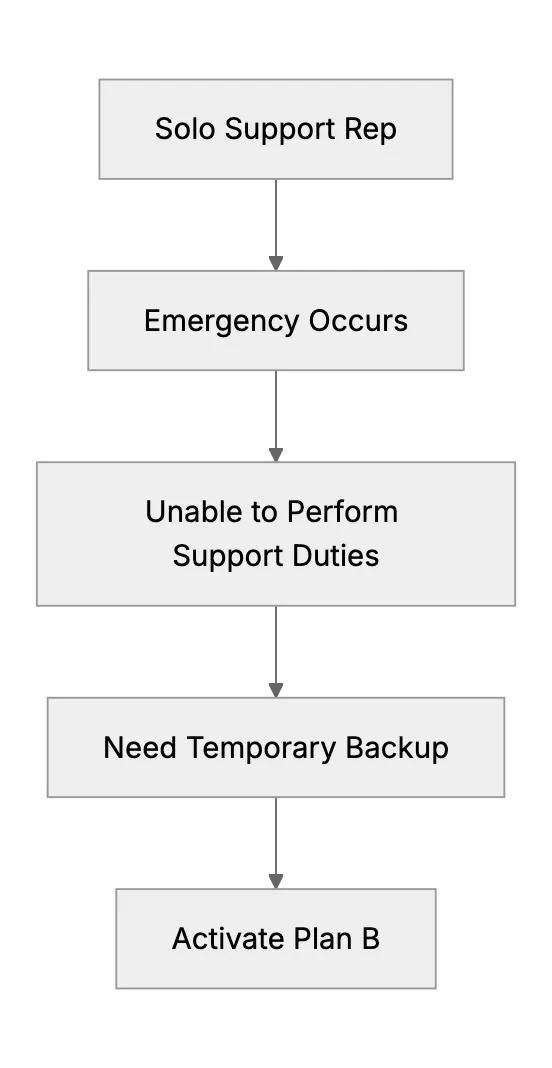
What Happens When the Only Support Person Is Sick? (Emergency Backup Plans)
Preparing a backup plan for a one-person support team during unexpected illness or personal emergency.

Supporting Less Tech-Savvy Customers Without Overloading Your Team
One customer said he ‘didn’t want to read the manual, he just wanted to press a button and make money’. Some customers need extra patience and simpler explanations.

Personalized Customer Experience: How AI Systems Remember Preferences
Small businesses use AI to remember customer preferences and tailor service