
When to Hire Your First Support Rep (Signs You’re Overwhelmed)
Small business owners often wear multiple hats. One moment you’re doing product development, the next you’re handling billing questions, then jumping to customer emails. That’s fine at first. But at some point, support requests pile up faster than you can respond. Quality starts slipping. Then you realize: it’s time to hire your first support rep.
This article explains the warning signs that you’re overdue for that hire. We’ll cover how to organize your processes, whether you should bring someone on part-time or full-time, and why investing in dedicated help desk staff frees you to focus on bigger tasks. Let’s jump in.
Key Signs You’re Overloaded
Support can sneak up on you. Maybe you started with a small crew. Everyone was able to handle calls or emails on the side. Then it escalated. Here are typical clues:
- Constant Backlog: Your inbox or ticket queue remains consistently full. Response times slip to hours or days.
- Quality Drop: You rush replies and make mistakes. Customers aren’t getting the detailed help they need.
- Context Switching Woes: You break up your core tasks for each new support request. Productivity tumbles.
- Stress and Burnout: You notice frustration or exhaustion across the team. No one wants to pick up the phone or open the queue.
- Missed Opportunities: You lose potential deals or skip product improvements because you’re stuck in support tasks.
These moments are strong indicators you need someone dedicated to customer support, or at least dedicated for a few hours a day.
Documenting Processes Before You Hire
Once you notice the signs, it’s tempting to hire fast. But first, get your processes straight:
- Write Standard Responses: Gather FAQs, typical email templates, guidelines for phone calls. This saves time for your new hire and keeps quality consistent.
- Map Your Tools: List the software and help desk platform you use.
- Clarify Your Tone: Decide if you prefer a casual or formal approach. The new rep should match your brand personality.
- Outline Escalation Paths: They need to know when to pass an issue up the chain. Document that.
Having a well-documented workflow streamlines the new hire’s onboarding. You can even share these SOPs (Standard Operating Procedures) with them before day one.

Choosing Part-Time vs. Full-Time
One challenge is deciding how many hours you actually need. Is it a short burst every day or an ongoing volume? Consider:
- Volume of Requests: If you have a smaller queue that spikes a few hours per day, part-time might be enough. If you have daily chaos, full-time is likely better.
- Budget Flexibility: Hiring full-time is a bigger investment, but you get more stability. Part-time or contract options might free up budget for other needs.
- Growth Plans: Rapid growth may justify bringing someone on full-time to prepare for future demand. If you’re uncertain, start smaller and scale up.

Many small businesses start with part-timers or freelancers from platforms like Upwork. That buys time until you can justify a full-time hire. The key is monitoring your backlog and ensuring consistent quality.
Compliance and Data Security Considerations
But your staff also needs to understand:
- Data Handling: How to keep customer details secure. When to mask sensitive info in tickets.
- Access Controls: Make sure your new rep only has the permissions they need. Nothing more.
- Incident Reporting: If they see a suspicious activity, they must know the procedure for escalation.

Training Your First Rep
Training is important for a smooth transition. You’ll want to:
- Use Shadowing: Let them watch a team member handle tickets. Then reverse roles.
- Provide Documentation: Those SOPs you created. Templates for emails. Clear escalation paths.
- Review Early Exchanges: Check a sample of their email or phone replies. Give quick feedback before bad habits shape.
The Upside of Investing in a Support Rep
Yes, it’s a cost. But consider these benefits:
- Happier Customers: Faster replies. More detailed solutions. Word-of-mouth improves.
- Freed-Up Founders: Founders can focus on product improvements, networking, or other strategic tasks.
- Reduced Stress: Your team won’t dread the support queue. Morale jumps.
- Consistent Brand Experience: A dedicated rep can maintain a steady tone, keep records organized, and track user feedback.
As your business grows, investing in specialized support staff helps you stay on top of issues.
Final Thoughts
Handling support with a tiny team can work for a while. But once you realize you’re always backlogged and the quality is taking a hit, it’s time to bring in help.
Related Articles
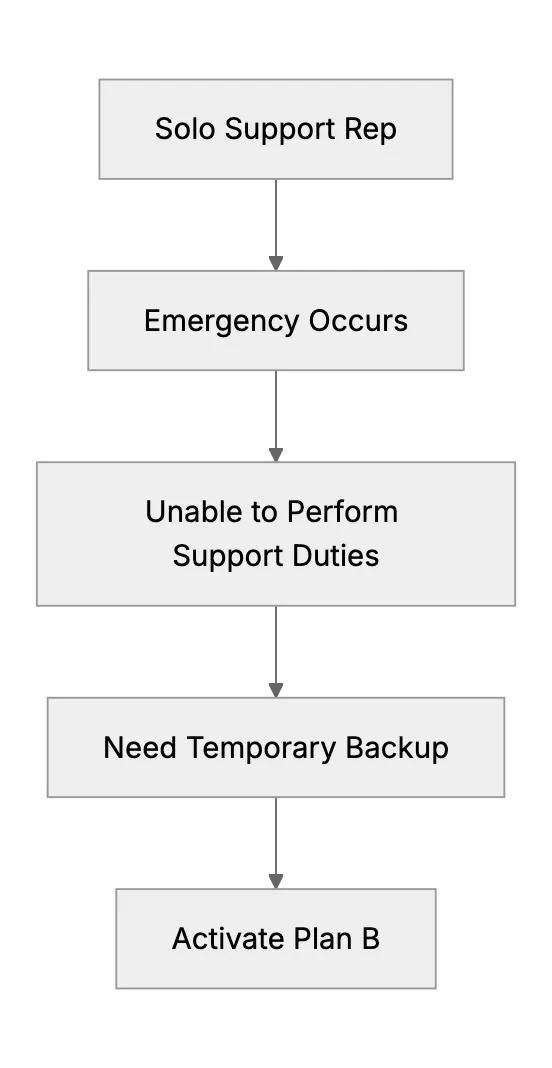
What Happens When the Only Support Person Is Sick? (Emergency Backup Plans)
Preparing a backup plan for a one-person support team during unexpected illness or personal emergency.
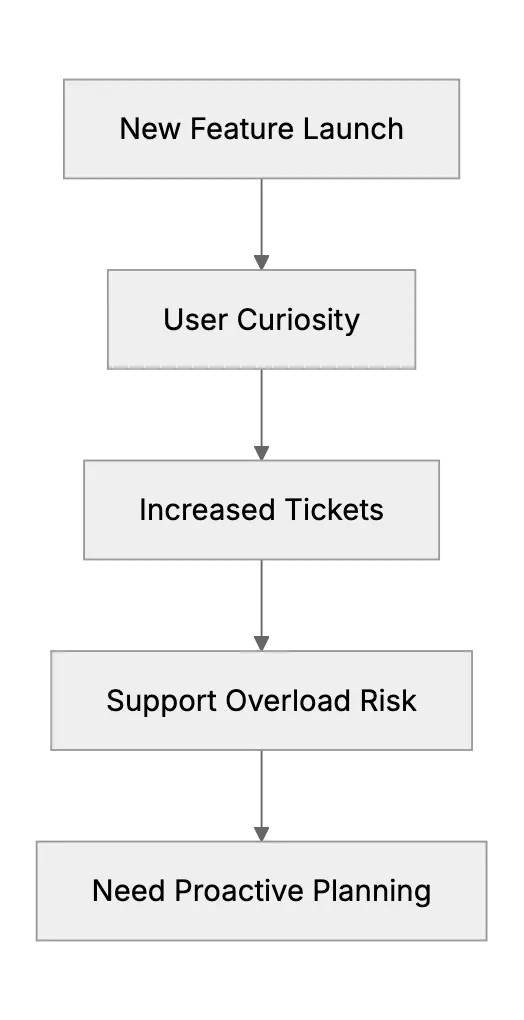
Handling Support Surges After a New Feature Launch or Update
When a small software team rolls out a big change, support tickets can spike with questions or bugs. This article provides a game plan: prepare support docs/FAQ updates ahead of the launch, coordinate with the dev team to be on standby for hotfixes, maybe run a beta with friendly customers to catch issues early. It will use ideas from experienced small teams who learned the hard way to communicate changes clearly to users to avoid confusion.

Should Small Support Teams Upsell or Just Solve Issues? (Finding the Balance)
Small business owners often wonder if their support exchanges should also be used for sales opportunities, like cross-selling or upselling. This article explores customer experience vs. revenue for small teams.