
Customer Success vs. Customer Support, Do You Need Both in a Startup?
Many startups wrestle with how to allocate limited resources. They wonder if customer success is just fancy talk for customer support or if there’s a real difference. Some see support as reactive (fixing issues, responding to tickets) and success as proactive (ensuring users get maximum value). The truth is, you might need both, even if you’re small. Let’s look at why.
Customer success focuses on driving renewals, tackling churn, and building proactive relationships. Customer support is more about triaging tickets, providing quick fixes, and making sure issues get handled. Both matter to revenue. If you run a SaaS with subscription-based billing, you don’t want to just solve bugs. You want customers to renew and refer others. That’s where success shines: it’s about onboarding, training, and regular check-ins. Meanwhile, support remains important to keep daily operations running smoothly.
In many B2B startups, a single team might handle both functions in the beginning. But as the user base grows, specialized roles often appear.
flowchart TD A[Startup Launch] --> B[First Customers Arrive] B --> C[Support Team Reacts to Tickets] B --> D[Success Team Onboards & Educates] D --> E[Customers Achieve Goals & Renew]When deciding if you need customer success early on, consider your subscription model. High churn can kill your startup. Even if you have only a few customers, it’s important to keep them satisfied. Success managers aren’t just answering questions. They’re checking if customers understand your solution. They help configure features. They provide training. They handle scheduling check-ins to make sure adoption, which directly affects revenue. That’s a different skillset than fielding tech support problems.
Some teams mix the roles at first. Imagine having a "Customer Champion" who fields tickets but also schedules proactive sessions with top users. This single person might be enough for a small subscription-based SaaS. Over time, you can split that role into dedicated support agents and success managers. You often see a shift when your customer count grows, or when you start noticing churn that’s related to gaps in training or product knowledge.
Many B2B startups, especially in healthcare or finance, must handle data properly.

What about direct revenue impact? Customer success is about far more than general hand-holding. It ties to expansion revenue (upgrades or cross-sells), retention (longer subscriptions), and brand loyalty (word-of-mouth marketing). Even small efforts at success can bring big returns. For instance, regular training sessions to show new product features can spark upsells or expansions for existing clients. Similarly, reaching out proactively to a user who’s been less active can fix minor problems before they churn.

So do you need both success and support in your startup? Yes, eventually. If you’re just launching, you might handle both tasks in a blended approach. But as you scale, consider dedicating resources to success. Monitor churn and feature adoption rates.
Related Articles
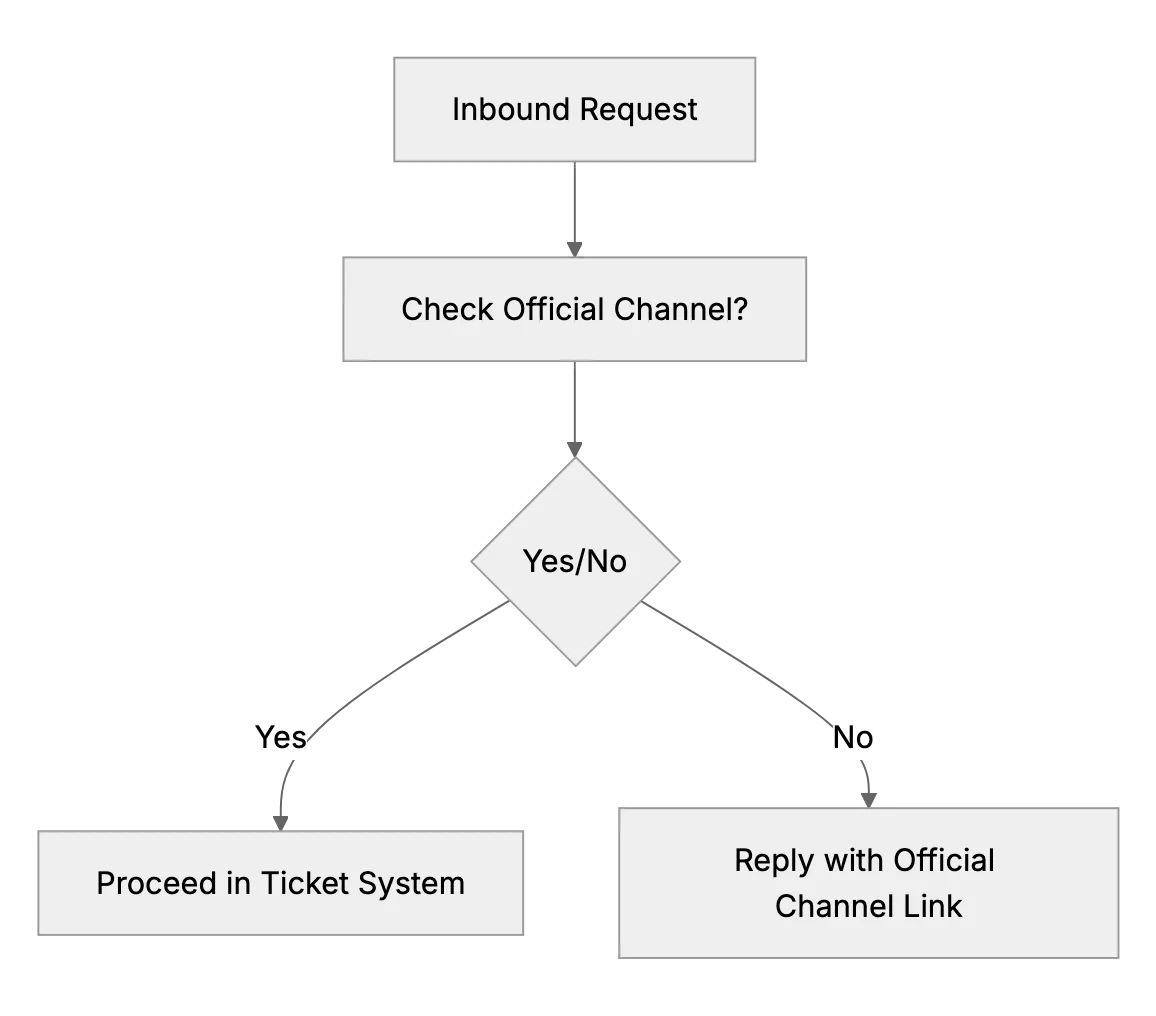
What to Do if Customers Contact You Outside Official Channels
When customers DM or text your personal accounts, reply kindly and point them to your official email or support desk so every request is tracked.

Should Small Support Teams Upsell or Just Solve Issues? (Finding the Balance)
Small business owners often wonder if their support exchanges should also be used for sales opportunities, like cross-selling or upselling. This article explores customer experience vs. revenue for small teams.
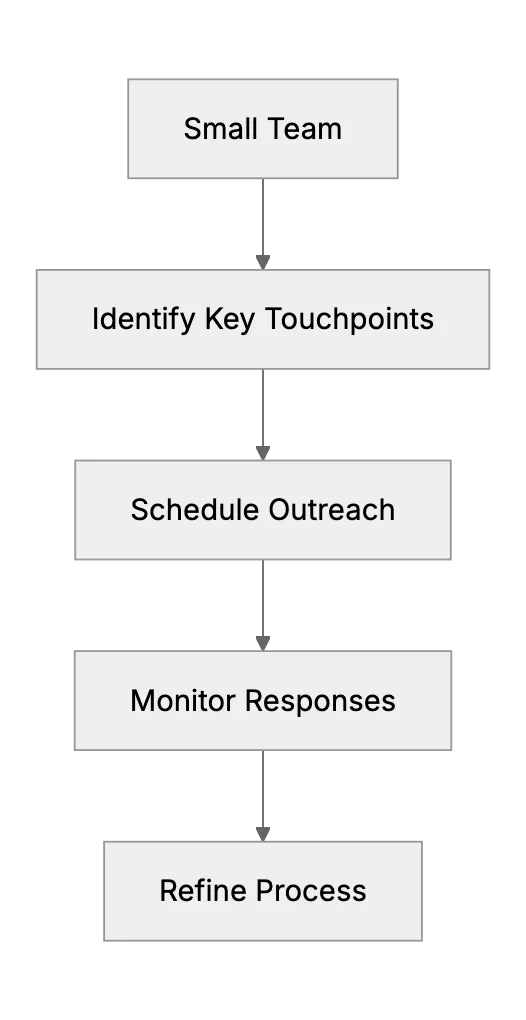
Proactive Support on a Shoestring: Reaching Out Before Issues Arise
Reach customers before problems grow with check-in emails to new signups, nudges for inactive users and monthly tips, then track what cuts tickets.