Explaining Why You Don’t Offer Phone Support (Solo Business)
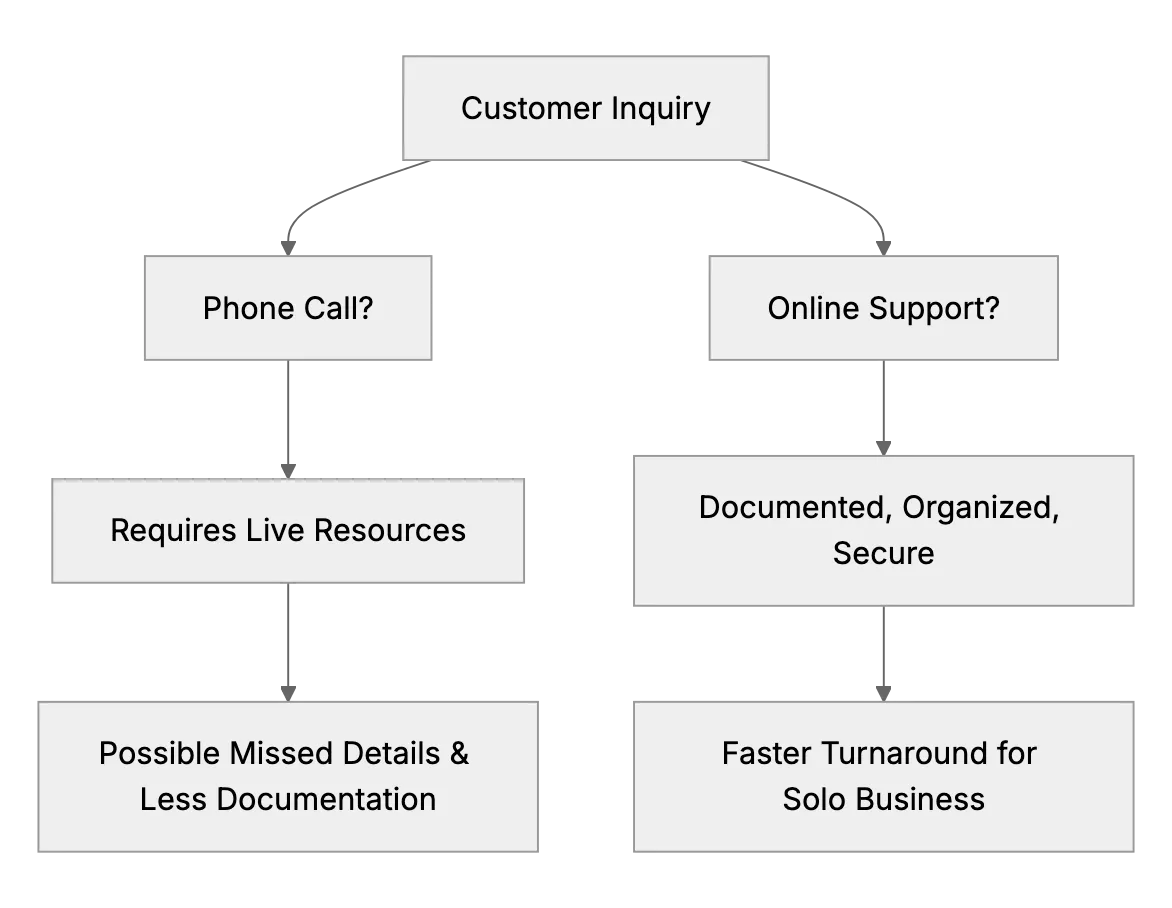
Many small or solo businesses struggle to handle live phone calls. Managing calls takes time, can lead to missed details, and often diverts attention from the core work. Plus, modern privacy expectations mean each interaction should be well documented and secure. Online support channels often deliver faster, more consistent help while ensuring reliable logs for future reference. Let’s look at how you can politely convey this choice to customers and maintain effective support.
Why No Phone Support?
When you have a small team or are operating alone, every minute matters. Phone calls create interruptions. You can’t always step away from development, packaging, or other tasks on demand. Written support (via email or a dedicated help desk) lets you handle requests in an organized queue. This ensures you give each user the focus they deserve.
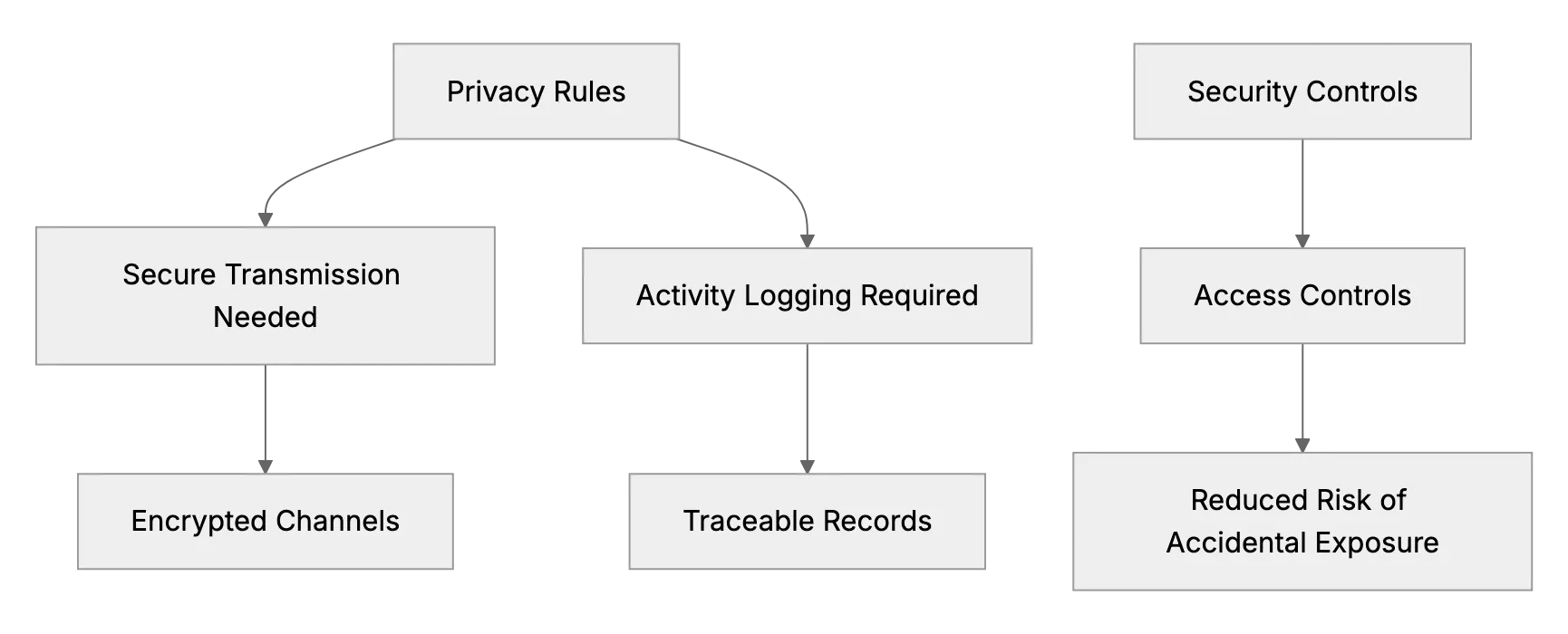
Structured channels keep oversight strong and help you trace how personal info is handled.
Making a Polite Explanation
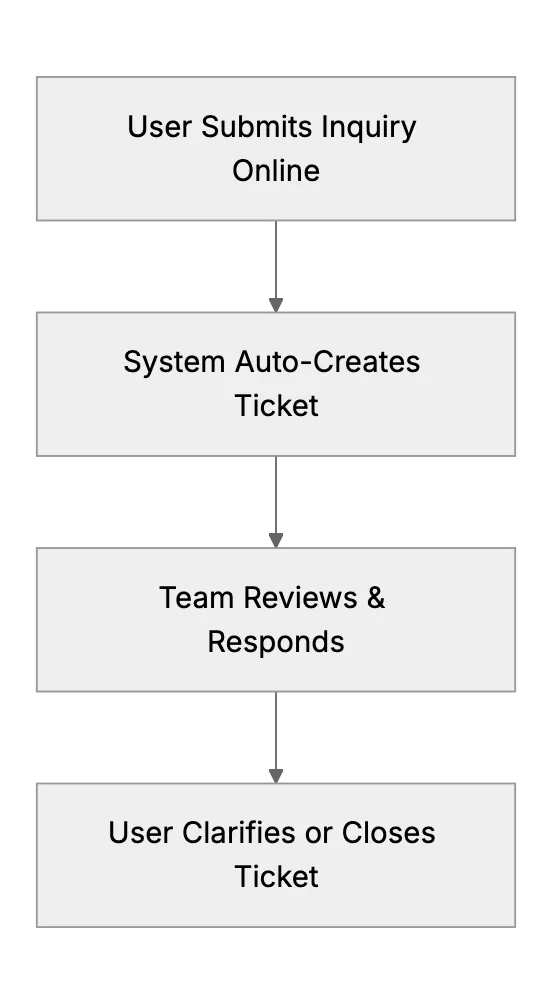
Customers sometimes expect phone support. They might assume it’s quicker. The key is to show them how online support helps everyone. Let them know you want to stay effective so you can keep serving them at a high level. Emphasize the benefits: consistent resolution times, written records of each request, and the ability to reference past solutions. Here’s a sample statement you could share on your site or in replies:
"Thank you for reaching out. Our small team (currently just one person) responds to all inquiries through our online support desk. This allows us to review your request thoroughly, track details accurately, and resolve issues faster. If a complex issue arises that needs real-time discussion, we can schedule a call at a time that suits both of us."
Offering Alternatives
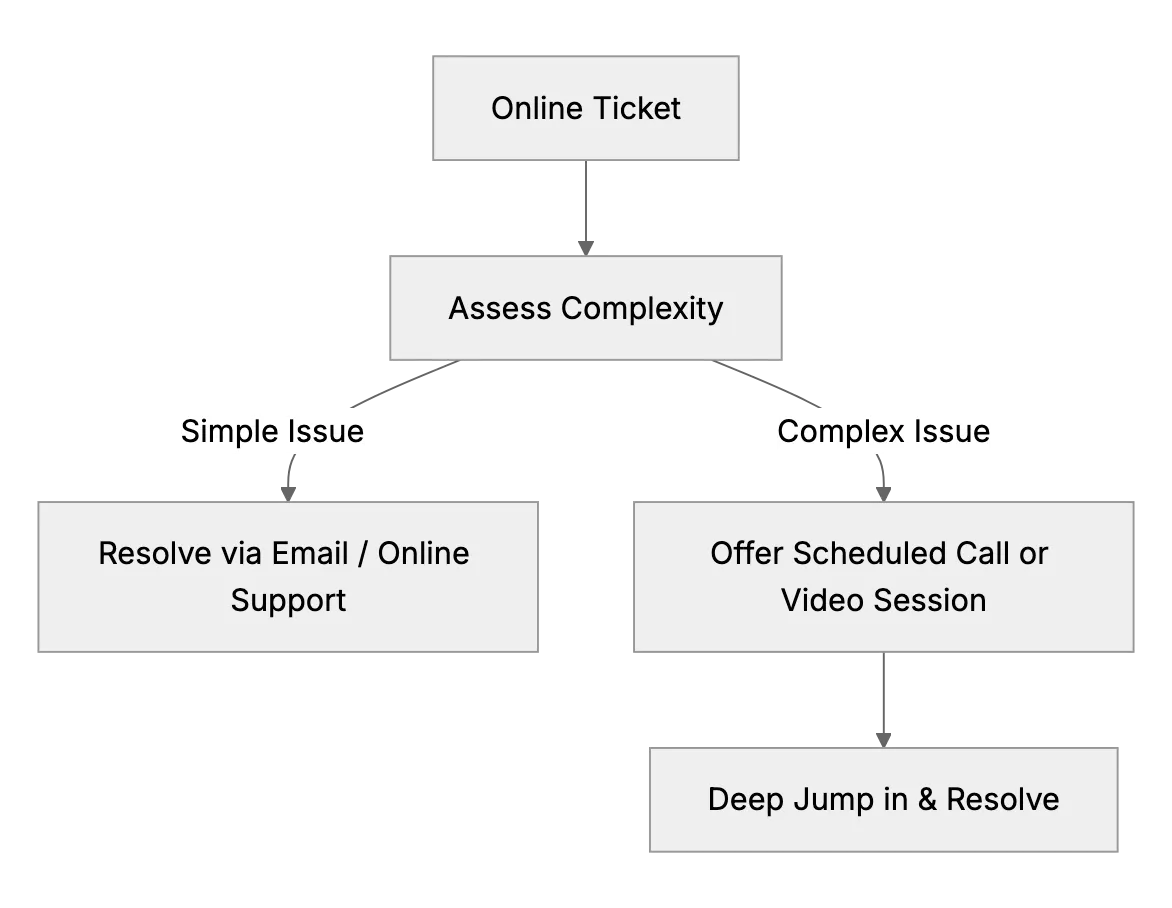
Online channels don’t always solve every scenario. For complex issues, real-time interaction may help. You can offer scheduled calls on a case-by-case basis. This ensures you remain in control of your workflow while allowing exceptions when truly necessary. Another option is live chat or video calls booked by appointment.
Some advanced support desk platforms offer secure chat, data logging, and even role-based access controls.
Key Takeaways
- Online support is often faster for a small or solo operation.
- It frees time so you can focus on core business activities.
- Scheduled calls can be offered for important or complex cases.
Staying transparent about your no-phone-support policy can build trust. People generally respect the reasoning if you communicate benefits clearly. Plus, written channels often lead to more effective problem-solving and thorough resolution.
Related Articles
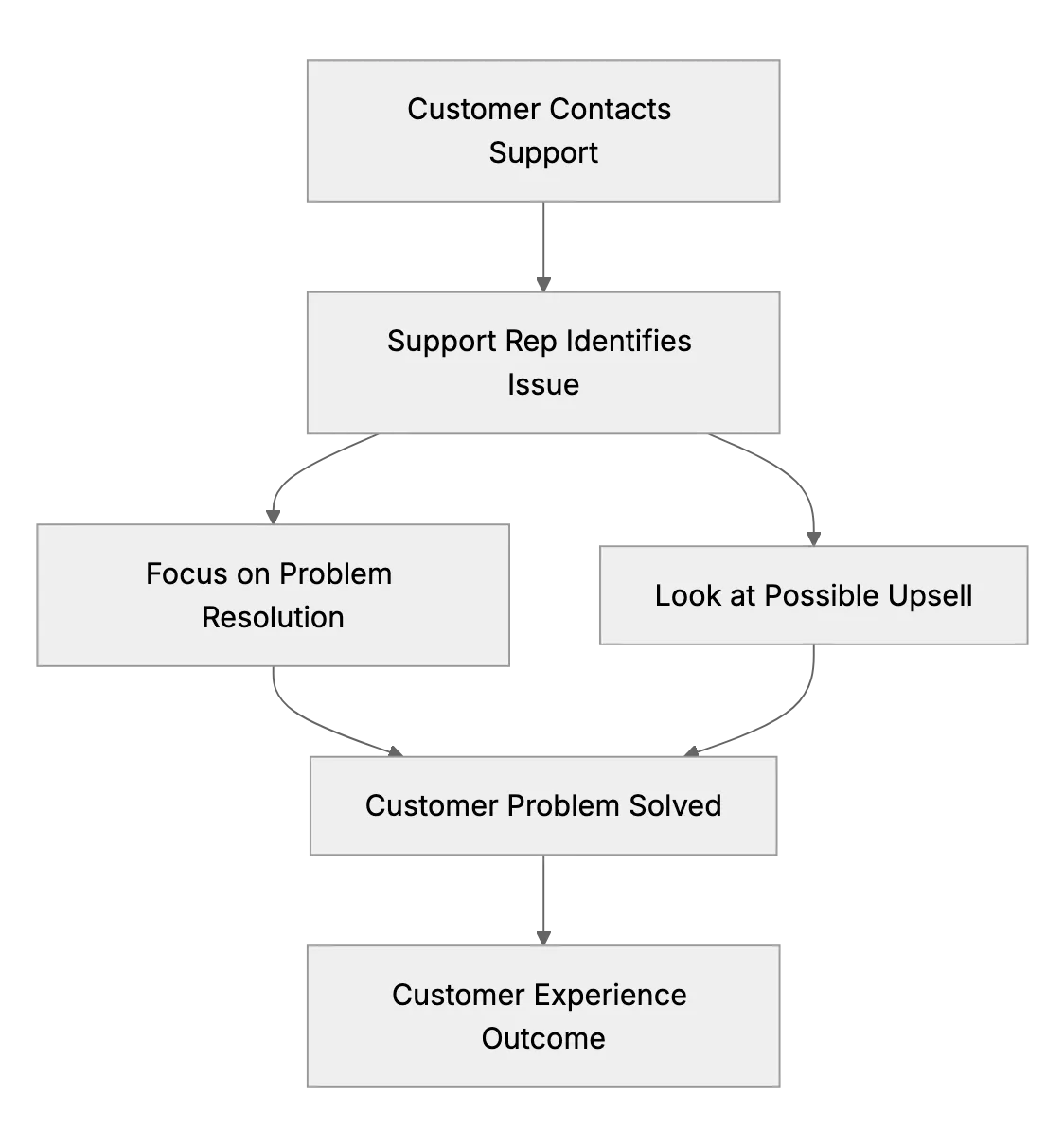
Should Small Support Teams Upsell or Just Solve Issues? (Finding the Balance)
Small business owners often wonder if their support exchanges should also be used for sales opportunities, like cross-selling or upselling. This article explores customer experience vs. revenue for small teams.
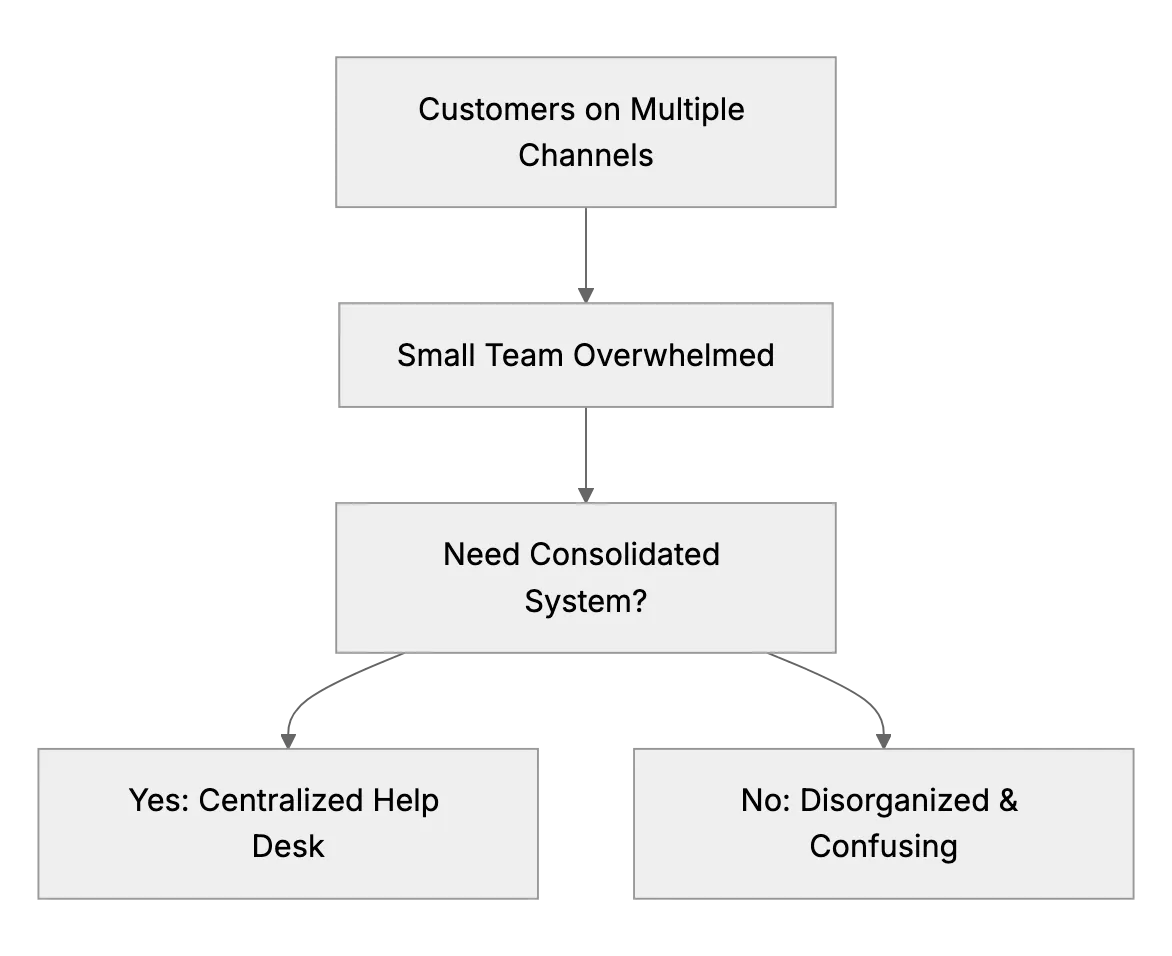
Managing Multiple Support Channels (Email, SMS, Social) with a Small Team
When email, SMS, social and chat pile up on a small team, put them in one queue, triage by urgency and switch off channels you can't staff.
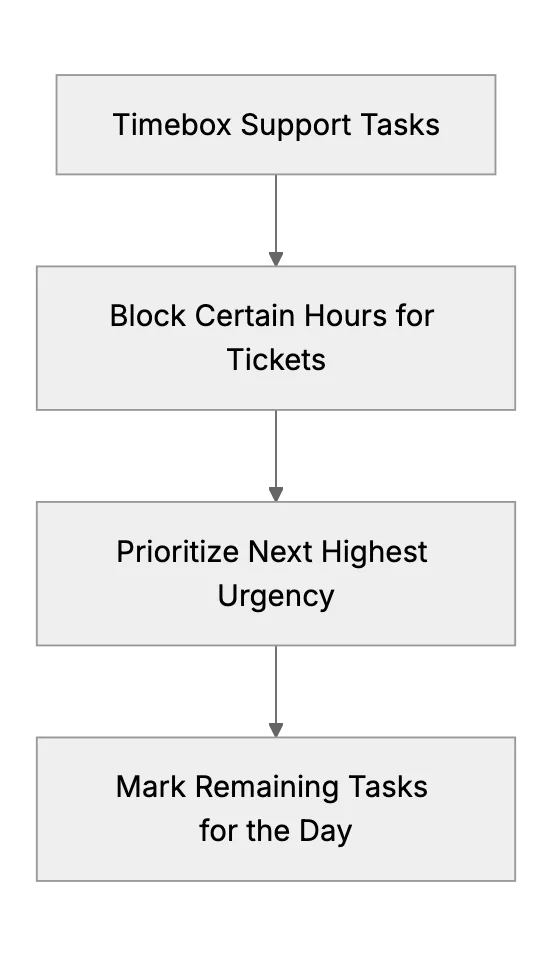
When Your Support Rep Wears Multiple Hats (Support + Other Duties)
When your support person also ships orders or manages stock, set support time blocks, ticket priorities, a public FAQ and a trained backup.