
Managing High-Maintenance Customers Without Losing Your Sanity
Many of us have run into that one customer who sends constant questions. They need hand-holding for every small detail. It can be draining. Let's discuss tips to manage them without letting them derail your entire support process. Let's jump right in.
Identifying High-Maintenance Customers
Some customers need more clarifications. They want fast responses. They don't always self-service. They show frustration over small delays. It's not always intentional. They might simply lack technical skill or prefer immediate attention. But it can still overwhelm your team. A strong ticketing system helps you see their pattern of requests quickly.
You spot trends faster. Then you decide how to proceed. Plus, if you handle personal data, keep industry regulations in mind and maintain consistent security.
Setting Boundaries and Office Hours
Establish response time expectations. If a customer sends a request at midnight, you can respond in the morning. Setting office hours prevents burnout. Also helps needy clients understand when to expect a reply.

In a regulated environment, consistent response documentation is important. You need an audit trail.
Using Self-Service Options
High-maintenance customers might not realize your help center or knowledge base can solve many of their questions. Provide a knowledge base with simple FAQs. Offer how-to videos or step-by-step guides. Encourage them to use it first. That lowers the number of tickets and shortens resolution times.

Building these resources can require time, but it pays off. Customers with repeated questions find help instantly. They won't need to wait for a support agent. This also respects your limited bandwidth.
Creating Help Resources for Specific Needs
A standard knowledge base might not go deep enough. Direct them to any documentation that addresses their regulatory needs. This builds trust and reduces friction.

High-maintenance doesn't always mean impossible to handle. Often, they just need knowledge or reassurance about security. Provide helpful resources that address their biggest concerns. That reduces their panic-level questions.
Prioritizing Support Tasks
One needy customer can't derail service for everyone else. Define how tickets get prioritized. Important or system-down issues get attention first. Non-urgent clarifications come after. Use a service-level agreement (SLA). That ensures fairness. A structured approach helps you keep calm. You won't feel you're ignoring other customers. You won't over-allocate resources to a single person.
If you operate in a highly regulated field, you may have special priority rules for certain scenarios. A robust ticketing system can tag these automatically and route them to specialized agents. That way, you meet legal requirements without letting more routine tickets fall through the cracks.
Encouraging Respectful Communication
Some customers escalate quickly if they sense a delay. They might CC multiple staff or open multiple tickets for the same issue. Gently remind them of the correct channel. Clearly explain how re-opening tickets can slow responses. Polite but firm. Maintaining calm is key.
Conclusion
High-maintenance customers can be tricky. Make sure to prioritize tasks so one customer doesn't dominate all your resources. Provide specialized guides if necessary. Stay calm, stay consistent, and keep the focus on helping them help themselves.
Related Articles
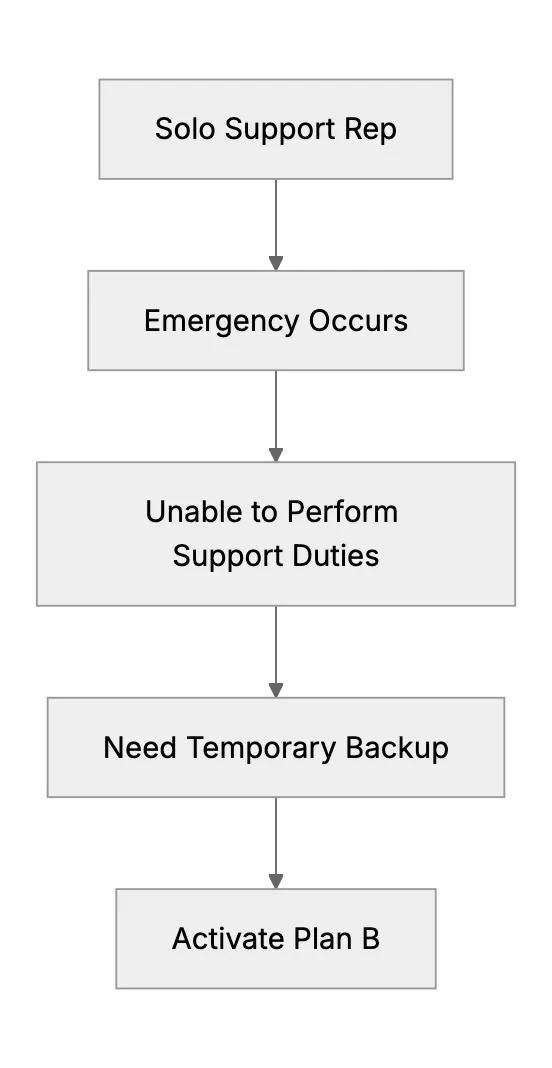
What Happens When the Only Support Person Is Sick? (Emergency Backup Plans)
Preparing a backup plan for a one-person support team during unexpected illness or personal emergency.

Creating a Customer Community or Forum for Self-Service Support
How to create thriving online communities where peers help peers, from discussion boards to social media groups, while moderating and offering official ideas

Cross-Training Non-Support Staff to Handle Customer Queries
Exploring how to equip non-support employees to handle basic customer service. Tips for quick product FAQs, ticket system usage, and escalation guidelines.