
What’s the Best Way to Gather Customer Feedback for Your Small Business?
Many small businesses want to improve their products or services. Gathering customer feedback is the key. It shows what users think, feel, and expect. It helps you adapt to trends. It also helps you solve issues. Let’s review practical ways to collect feedback, organize it, and use it for real improvement.
Why Feedback Matters
Feedback helps you see your strengths and weaknesses. It shows which products or features delight customers. It also uncovers hidden concerns or frustrations. By collecting user ideas, you learn where to focus your efforts. That can boost customer satisfaction and loyalty. Staying transparent with data is important.
Simple Ways to Collect Feedback
Many small business owners fear complex systems. But feedback channels can be simple.
- Online Surveys: Tools like Typeform or Google Forms let you ask structured questions. They can be short or detailed.
- Feedback Forms: Embed forms on your site or in your help desk software. Users can submit thoughts anytime.
- Social Media Polls: People respond quickly to polls on platforms like Twitter or Instagram. It’s an easy way to gauge opinions.
- Direct Questions: Ask customers while you provide support. Some of the best ideas appear in natural conversation.
Storing and Organizing Feedback
Collecting feedback is only half of it. You need to store it securely and organize it so you can act on it. Many small businesses rely on spreadsheets. The right choice depends on your size and complexity. At the minimum, make sure strong access controls. This reduces risk from unauthorized access.

Try grouping feedback by category. You can have sections like product requests, usability issues, or customer service concerns. It speeds up analysis. Keep an eye on repeated feedback. That might point to a real pattern needing attention.
Turning Feedback into Action
Action means improvements. Maybe you adjust a product feature. Maybe you rewrite confusing documentation. Or you give your support team new training. Whatever the case, prioritize tasks that address big pain points first. Communicate these updates to your customers. Show them you listen.

After implementing changes, watch the response. Did metrics improve? Has ticket volume dropped for the same issue? Are customers more satisfied in follow up surveys? Keep monitoring. The cycle of feedback never stops.
Best Practices for Privacy and Security
Handling feedback means handling data. That includes personal details sometimes. So you must comply with relevant regulations. Only authorized staff should view that data. Have a documented data retention policy. Remove old or irrelevant data when no longer needed.

Following these practices builds trust with your users. They feel safe sharing information. That openness means more honest, quality feedback.
Summary
Gathering feedback is important for growth. You learn what people truly want. You see where you need better support or new product features. Focus on simple channels like surveys or social media. Then store and analyze the data securely. Once you have ideas, take action. Tweak your offerings. Watch the results. Continue the loop. Over time, you see stronger customer loyalty. You also see fewer unknown issues. Make feedback a continuous process. That’s how small businesses grow and adapt.
Related Articles
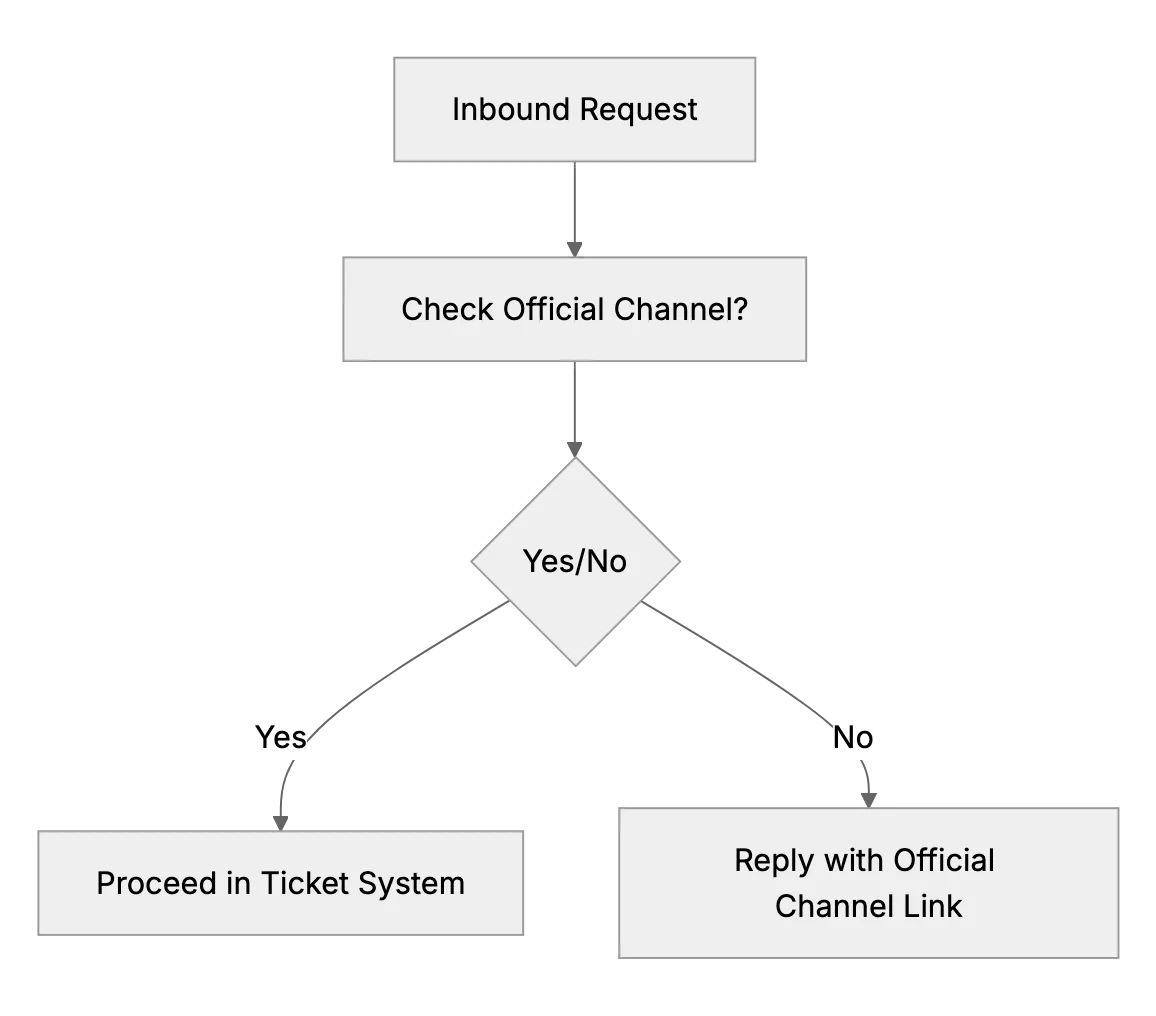
What to Do if Customers Contact You Outside Official Channels
When customers DM or text your personal accounts, reply kindly and point them to your official email or support desk so every request is tracked.
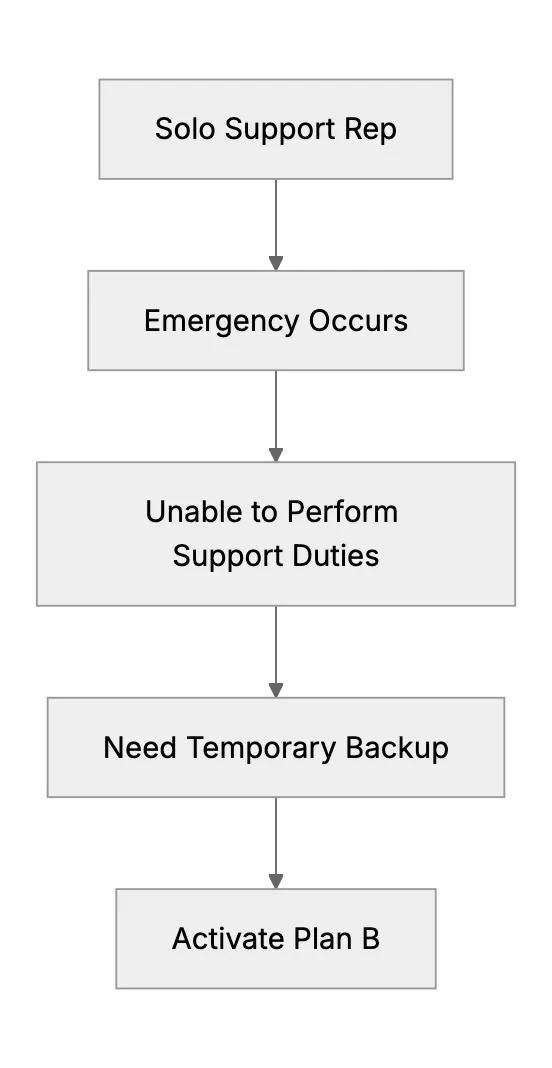
What Happens When the Only Support Person Is Sick? (Emergency Backup Plans)
Preparing a backup plan for a one-person support team during unexpected illness or personal emergency.

Using ChatGPT to Build or Update Your Knowledge Base Content
Use ChatGPT to draft FAQ and help articles from chosen product docs, split content into chunks for accurate answers, and keep a human review step.