Should You Use an AI Chatbot for Customer Support? (Small Biz Edition)
Customer support chat is evolving fast. Some companies stick to human-powered live chat. Others prefer AI-driven chatbots that promise quick, low-cost help. The right choice depends on business size, budget, and complexity of questions. Let’s look at AI chatbots versus live chat for a small business.
What AI Chatbots Offer
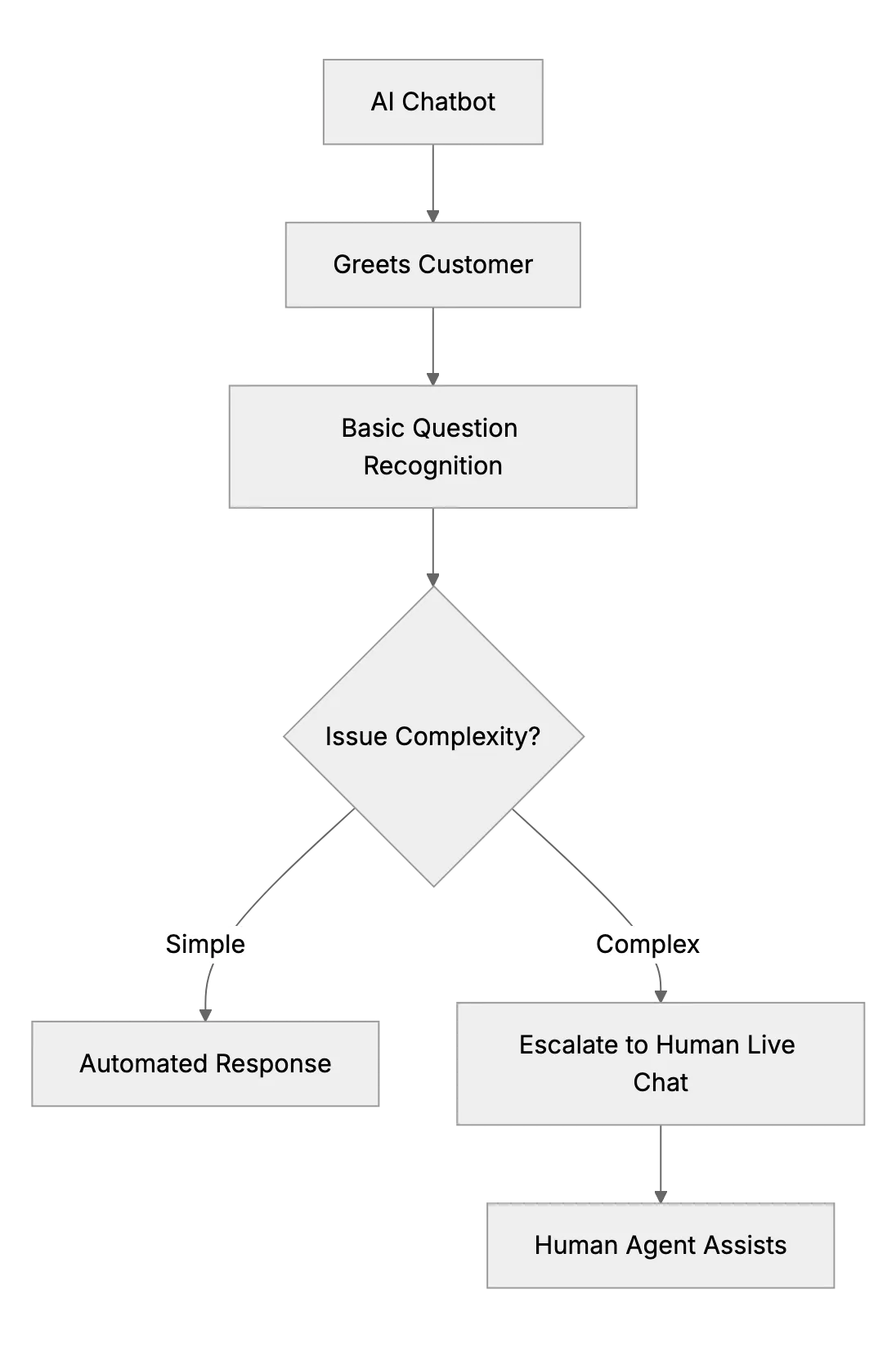
AI chatbots can automate repetitive queries. They work round-the-clock. They can quickly find info from a knowledge base. This helps handle simple questions like password resets or shipping statuses.
Modern solutions use natural language processing (NLP). They learn patterns and respond in a human-like way. Some small businesses adopt them to cut manual workload. For example, a chatbot can greet users, ask for a problem summary, and then route more complex issues to a human.
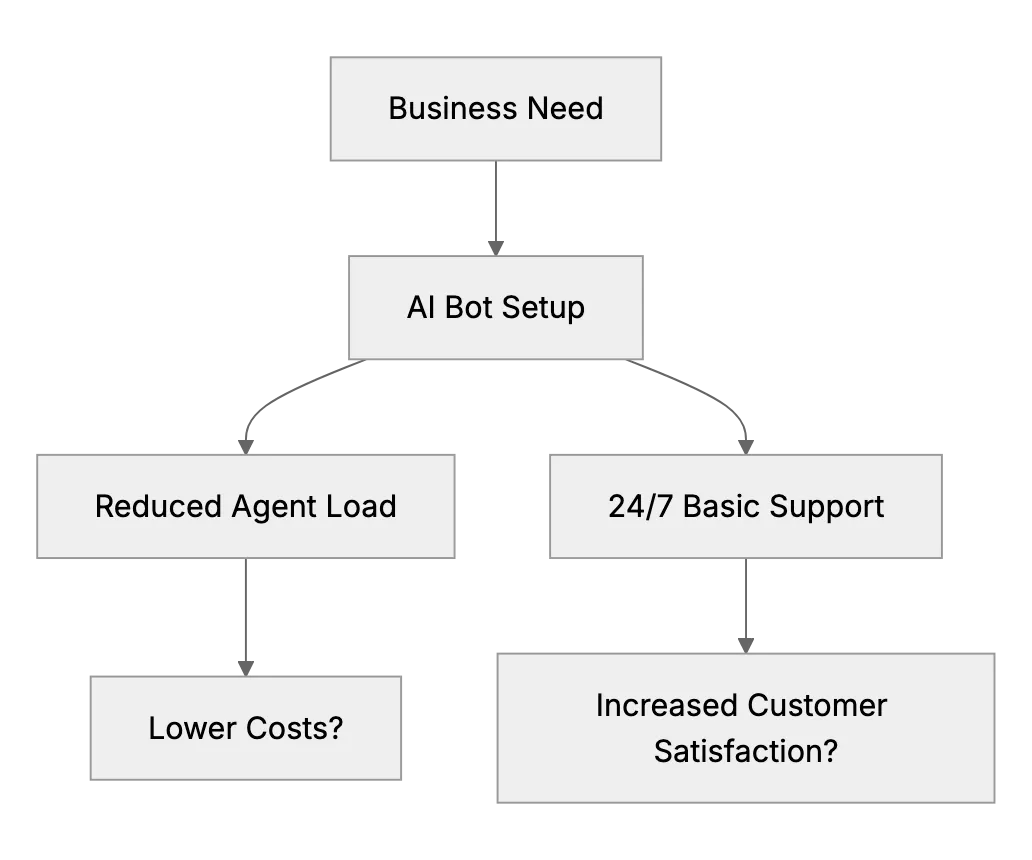
Cost savings come from fewer live agent hours. Also, customers get immediate replies. This can boost satisfaction. But AI chatbots sometimes misunderstand. They struggle with uncommon questions or emotional contexts. A small business should set clear thresholds for chatbot vs. human help.
Live Chat Advantages
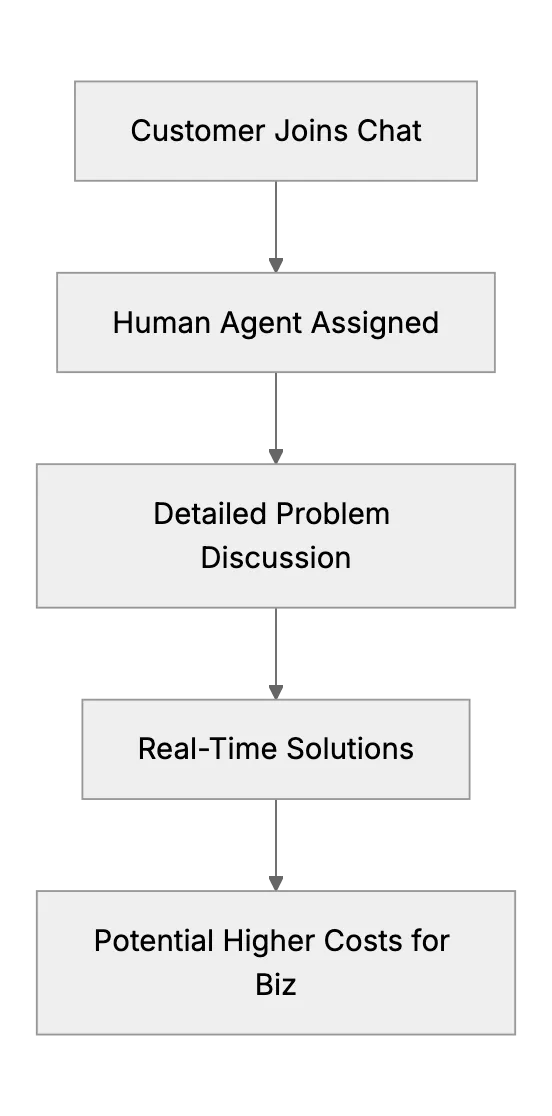
Live chat means real-time help by a human agent. Customers can ask anything. Humans handle difficult or specialized problems. They read tone better and show empathy.
But scaling live chat can be expensive. Additional agents are needed to cover peak hours. This can strain a small business budget. Also, wait times might rise during busy periods. Users might leave the site if no one responds quickly.
Security Considerations
Small businesses want a reliable, secure chat solution.
Many vendors demonstrate their security practices through certifications. Always review a provider's protections.
Hybrid Approach and Cost Factor
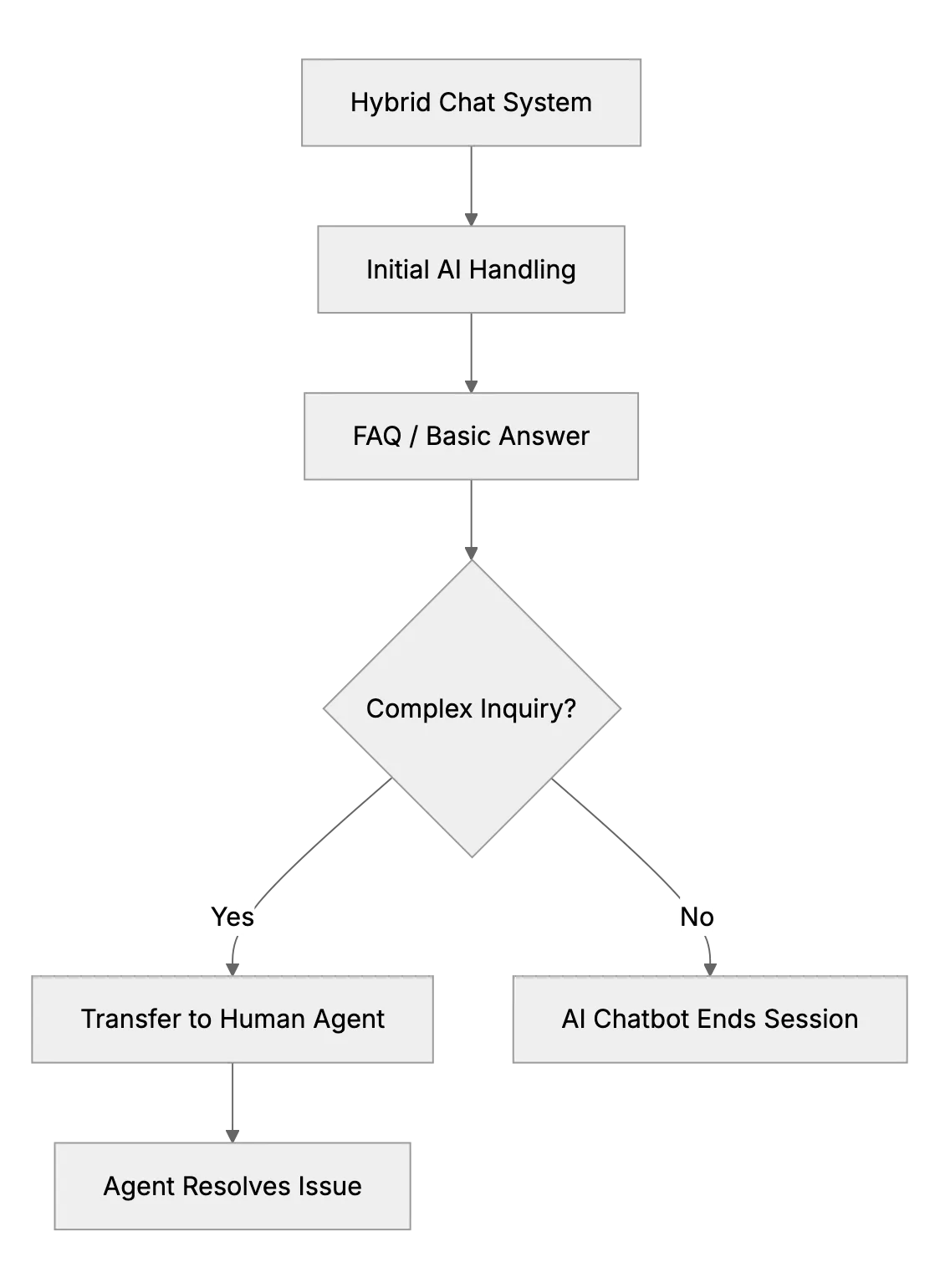
Some small businesses adopt a hybrid approach. The chatbot answers FAQs, then hands off to a human for deeper issues. This balances cost and quality. The bot lowers agent workload by tackling repetitive queries. Meanwhile, real agents handle important tasks.
Costs can vary. Chatbots can be cheaper, but the final price depends on message volume and features. Some tools have pay-per-resolution pricing. Others have monthly plans. Live chat cost is mostly about staffing. Decide based on your traffic and how many exchanges you expect.
Practical Tips
- Start small. Let a chatbot handle one or two common issues first.
- Monitor chatbot accuracy. Check how often users escalate to humans.
- Train staff to handle escalations (from AI) promptly.
- Review analytics. Understand user behavior to optimize the chatbot’s knowledge base.
- Keep Knowledge Base Updated. Keep it fresh with new FAQs and product changes and make sure that AI is using the latest information.
For small businesses, an AI chatbot can reduce costs and free staff from mundane tickets. But live agents remain important for complex or high-stakes requests. Look at budget, typical questions, and security needs when deciding. The ideal approach often combines both, giving you the best of automation and human expertise.
Related Articles
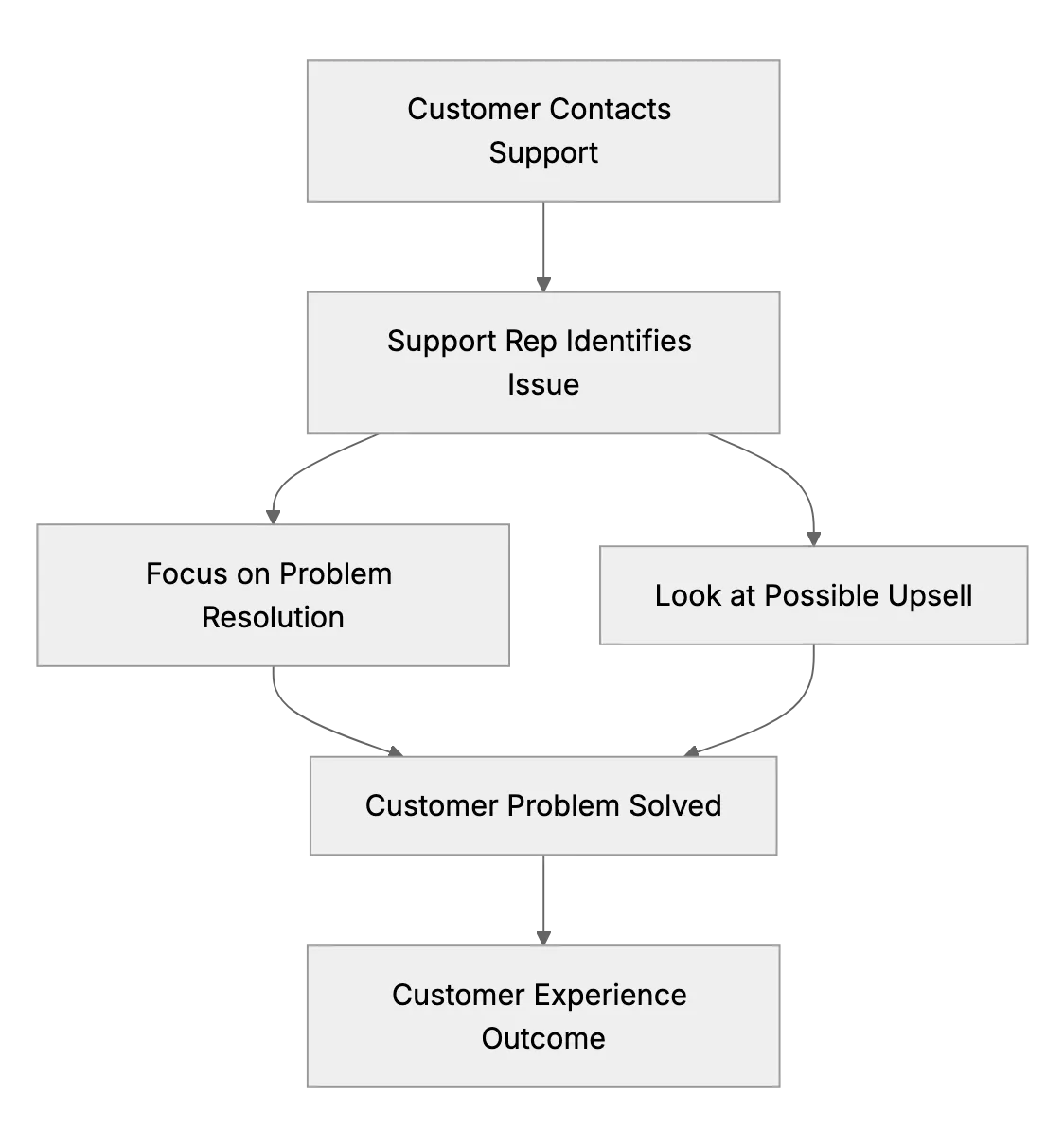
Should Small Support Teams Upsell or Just Solve Issues? (Finding the Balance)
Small business owners often wonder if their support exchanges should also be used for sales opportunities, like cross-selling or upselling. This article explores customer experience vs. revenue for small teams.
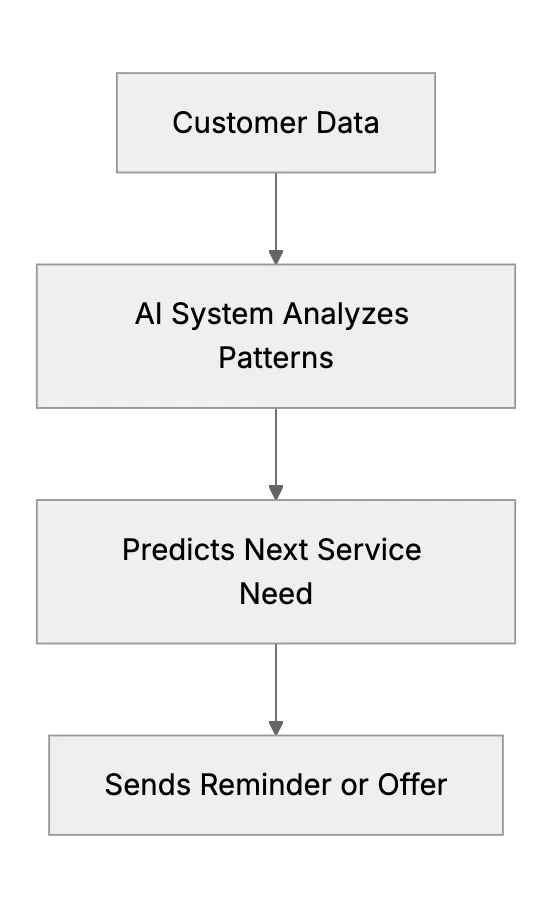
Predictive Customer Needs
How AI Predicts Customer Needs and Enables Proactive Service
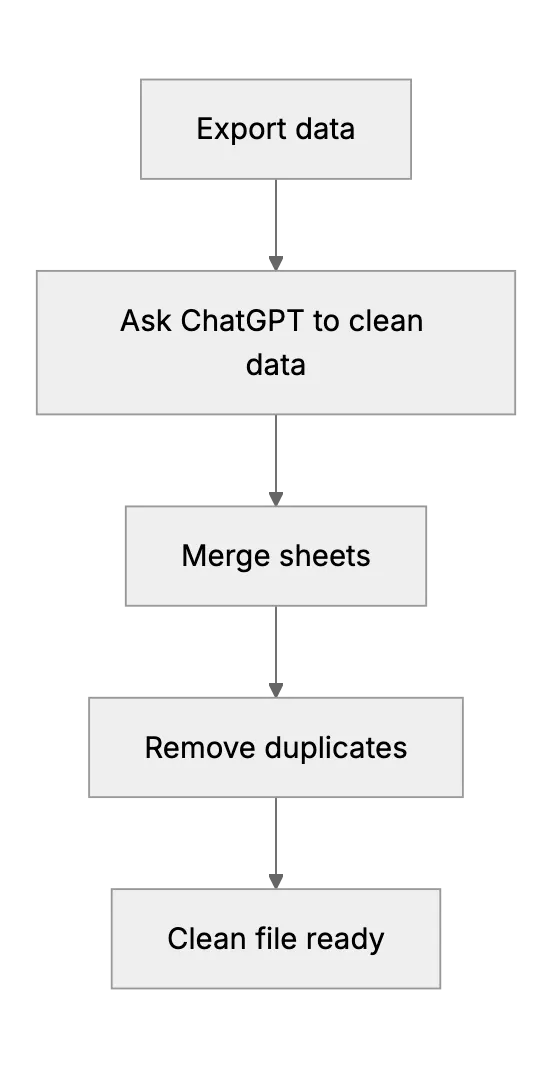
Boost Marketing with ChatGPT: Spreadsheet Cleanup and Customer Segmentation
How small firms can clean mailing lists and sharpen targeting with ChatGPT and spreadsheets